
A practical first-order guide
Best Boba for Beginners
The best first boba is not the most famous drink on the menu. It is the drink that starts with a flavor you already enjoy, uses moderate sweetness, and adds one texture you can understand. This guide helps you choose that cup, order it clearly, and know what to change the second time.
The practical answer
What should a beginner order first?
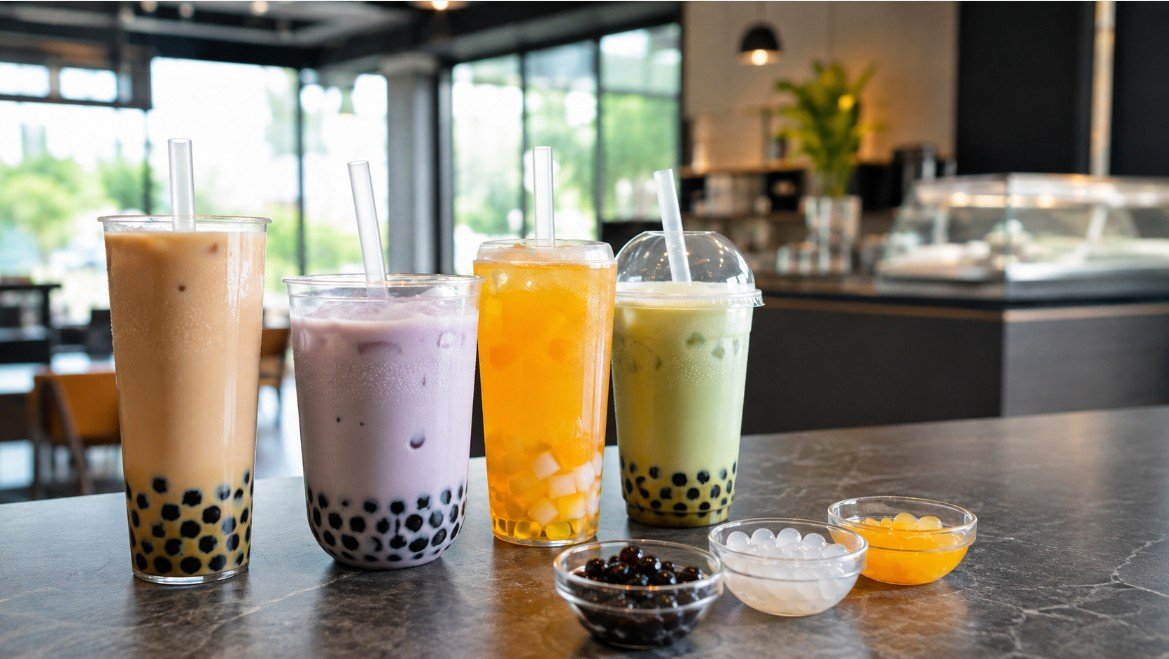
A dependable first order is a medium black milk tea or jasmine milk tea with 50% sweetness, less ice, and one serving of tapioca pearls. It shows you the classic combination of brewed tea, creaminess, sweetness, and chew without turning the cup into a complicated dessert.
Classic black milk tea
Order: medium · 50% sugar · less ice · tapioca pearls
Choose this when you like iced coffee, chai, caramel, or tea with milk. Black tea gives the drink enough backbone to remain recognizable after milk and ice are added.
Jasmine milk tea
Order: medium · 25–50% sugar · less ice · crystal boba or pearls
Jasmine is floral and cleaner than a rich black milk tea. It is a good bridge for people who enjoy green tea, lightly sweetened tea, or delicate flavors.
Mango or peach green tea
Order: medium · 25–50% sugar · regular ice · coconut jelly
Choose fruit tea when you normally order lemonade, refreshers, or flavored iced tea. The drink feels brighter and usually pairs better with jelly than with heavy pudding or foam.
Start with what you already enjoy
Choose your first boba by familiar flavor
A boba menu becomes easier when you translate unfamiliar names into drinks and desserts you already know. The goal is not to find the most adventurous order. It is to choose a base you understand, then learn how sweetness and texture change it.
Black milk tea
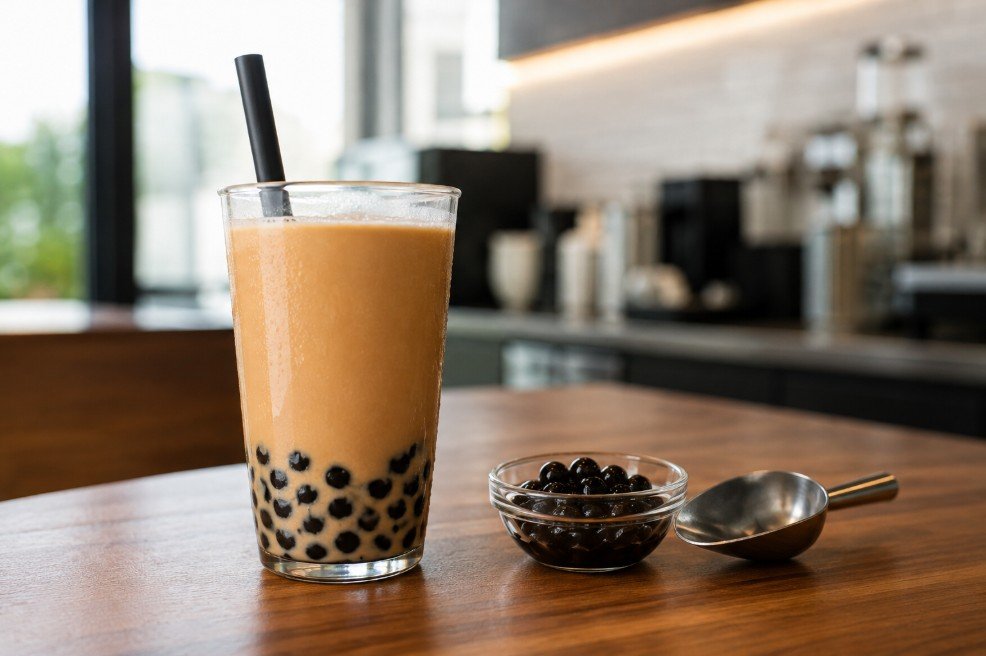
Look for a tea-forward milk tea rather than a heavily flavored powder drink. A black tea base brings roast, malt, and gentle bitterness that balance milk and sugar.
Best topping: tapioca pearls.
Jasmine milk tea
Jasmine gives a more aromatic, lighter cup. At 25–50% sweetness, the floral character stays clearer and the drink feels less dessert-like.
Best topping: crystal boba or aloe.
Fruit green tea
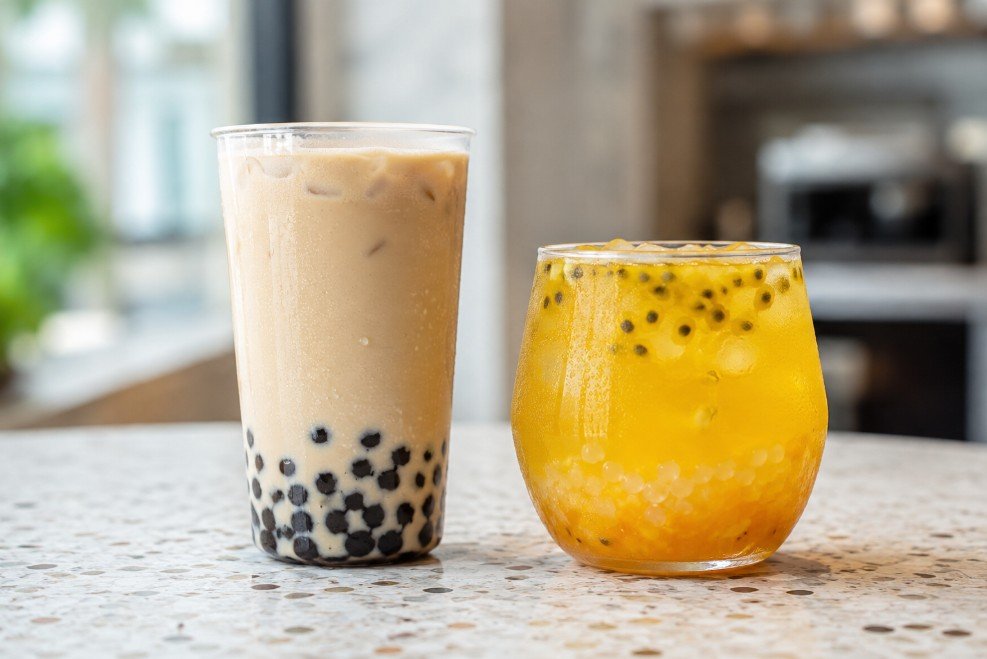
Mango, peach, lychee, and passion fruit add brightness without the weight of milk. Ask whether the fruit flavor is syrup, puree, juice, or fresh fruit because the result can differ.
Best topping: coconut jelly.
Taro or brown sugar
Taro is usually mellow, nutty, and vanilla-like. Brown sugar is deeper, sweeter, and more caramel-forward. Both can work for beginners, but they reveal less about the tea itself.
Best topping: pearls or pudding, not both.
Two easy directions
Should a beginner choose milk tea or fruit tea?
Milk tea is usually the clearest introduction to classic boba. Fruit tea is often the easier choice for someone who dislikes creamy drinks. The better option depends on the beverages you already order, not on which category is more popular.
| Question | Milk tea | Fruit tea |
|---|---|---|
| Overall feel | Creamy, rounded, comforting | Bright, refreshing, lighter |
| Best for people who like | Iced lattes, chai, caramel, vanilla, tea with milk | Lemonade, refreshers, peach tea, citrus, tropical fruit |
| Beginner tea base | Black tea or jasmine tea | Green tea or jasmine green tea |
| Easy first topping | Tapioca pearls or pudding | Coconut jelly, aloe, or crystal boba |
| Common risk | Too much creamer or sugar can hide the tea | Syrup can make the drink candy-sweet or acidic |
| Simple order | Black milk tea, 50% sugar, less ice, pearls | Mango green tea, 25–50% sugar, regular ice, jelly |
Choose milk tea when
You want to understand the classic relationship between tea, milk, sweetness, and chewy pearls. A well-made cup should still have a recognizable tea flavor.
Choose fruit tea when
You want freshness rather than creaminess, or when dairy is not your preference. Confirm ingredients because powders, foam, and some toppings can still contain milk.
A menu you can understand
The beginner boba formula
Most first orders can be reduced to five decisions. Make them in this order so each choice has a clear purpose.
Choose the drink family
Milk tea, fruit tea, fresh milk, or blended. This determines the body of the cup and whether brewed tea is likely to be central.
Choose one familiar flavor
Classic, floral, fruity, earthy, nutty, or caramel-like. Avoid combining several syrups on the first visit.
Set sweetness
Start at 50%, or 25% when you normally drink unsweetened tea. Brown sugar drinks may already contain fixed syrup.
Set ice
Less ice is a safe first choice. It keeps the drink cold while slowing dilution without changing the cup as much as no ice can.
Add one topping
Pick one texture: chewy pearls, firm jelly, soft pudding, or bursting popping boba. One topping makes your reaction easier to understand.
Balanced classic
Black milk tea · 50% sugar · less ice · pearls
Light and floral
Jasmine milk tea · 25–50% sugar · less ice · crystal boba
Fresh and fruity
Mango green tea · 25–50% sugar · regular ice · coconut jelly
Customization without confusion
What sweetness and ice level should a beginner choose?
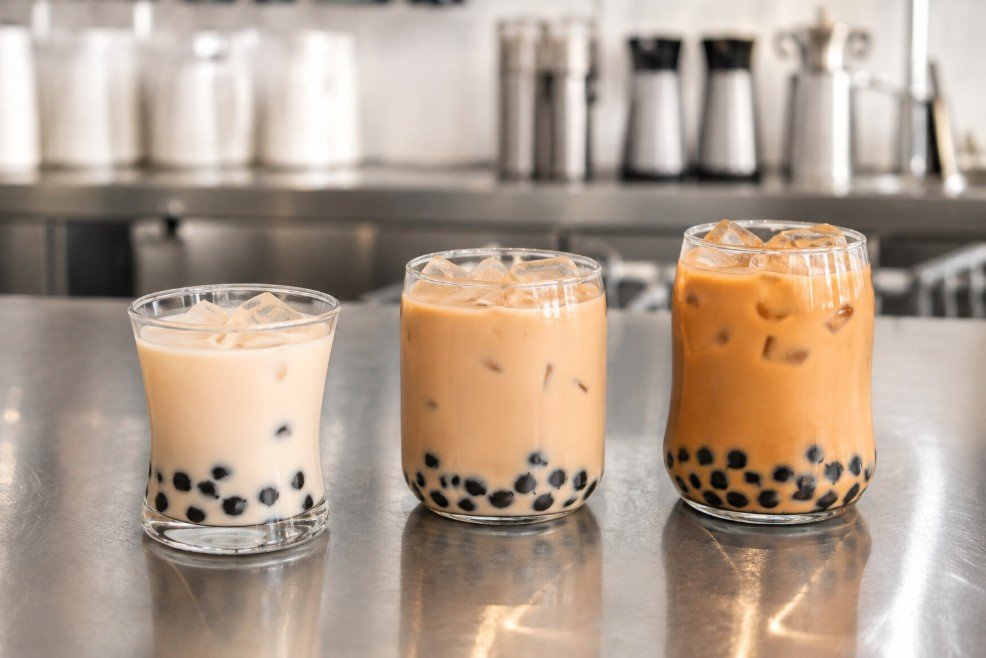
Start at 50% sweetness when percentages are available, but treat that number as a reference rather than a universal standard. Shops use different recipes, cup sizes, syrups, and measurement systems, so 50% can taste different from one counter to another.
| Setting | What it usually tastes like | Best use | What to remember |
|---|---|---|---|
| 100% sugar | Very sweet and syrup-forward | Only when you regularly prefer dessert-level sweetness | It can hide tea quality and make toppings feel heavier |
| 75% sugar | Clearly sweet, with less tea definition | Rich milk teas or people with a strong sweet preference | Still sweeter than many beginners expect |
| 50% sugar | Balanced starting point | Most first orders | Use it as your reference for the second order |
| 25% sugar | Tea-forward and lighter | Jasmine, oolong, matcha, and fruit tea | Fruit acidity or bitterness can become more noticeable |
| Less ice | Cold with slower dilution | The safest beginner choice | It preserves chill without radically changing the recipe |
| No ice | More concentrated and sometimes warmer | Only when you understand the shop’s volume policy | Some shops add more liquid, charge extra, or do not offer it |
Texture matters as much as flavor
Which topping is easiest for a first boba?
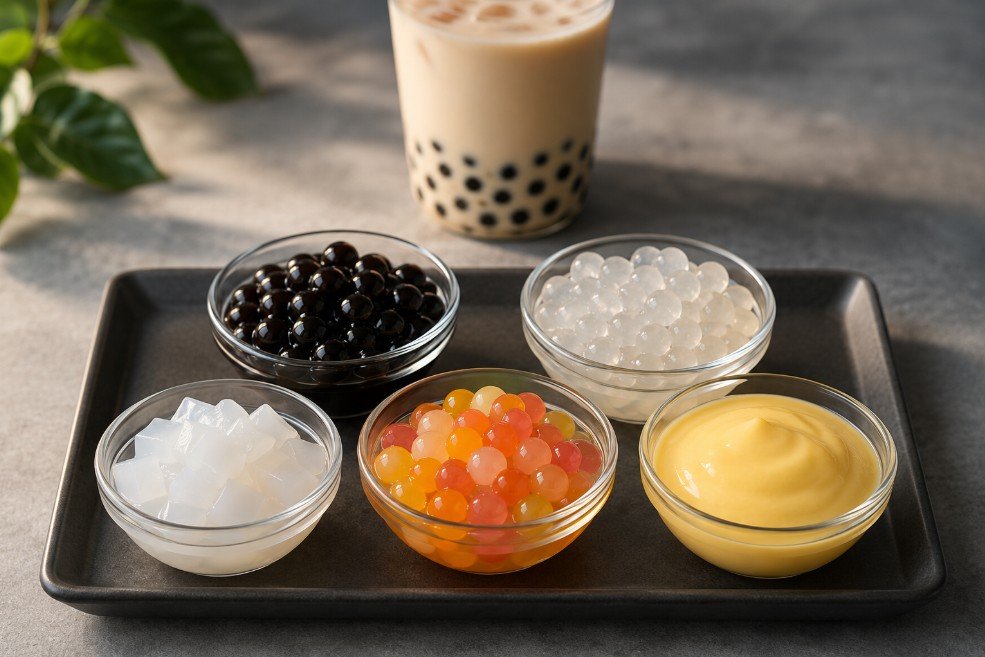
Tapioca pearls create the classic experience, but they are not automatically the best choice for every beginner. Choose the texture you are most curious about, add only one, and notice whether it improves the drink or distracts from it.
| Topping | Texture | Flavor | Best first pairing | Choose it when |
|---|---|---|---|---|
| Tapioca pearls | Dense, soft, elastic, chewy | Mildly sweet, often brown-sugar flavored | Black milk tea | You want the traditional boba experience |
| Crystal boba | Firmer, lighter, more bouncy | Usually mild or lightly sweet | Jasmine milk tea or fruit tea | You want a gentler chew than tapioca |
| Coconut jelly | Firm, slippery cubes or strips | Light coconut or fruit flavor | Mango or peach green tea | You prefer jelly over dense pearls |
| Popping boba | Thin shell with a liquid center | Bright, candy-like fruit flavor | Fruit tea or slush | You prefer bursting juice to chewing |
| Pudding | Soft, smooth, custard-like | Vanilla or egg-custard sweetness | Milk tea, taro, or matcha | You dislike chewy toppings but want dessert texture |
| Aloe | Crisp, wet, lightly fibrous | Mild and refreshing | Lychee or citrus fruit tea | You want a light topping with less heaviness |
Popular names, very different drinks
Taro, matcha, and brown sugar compared
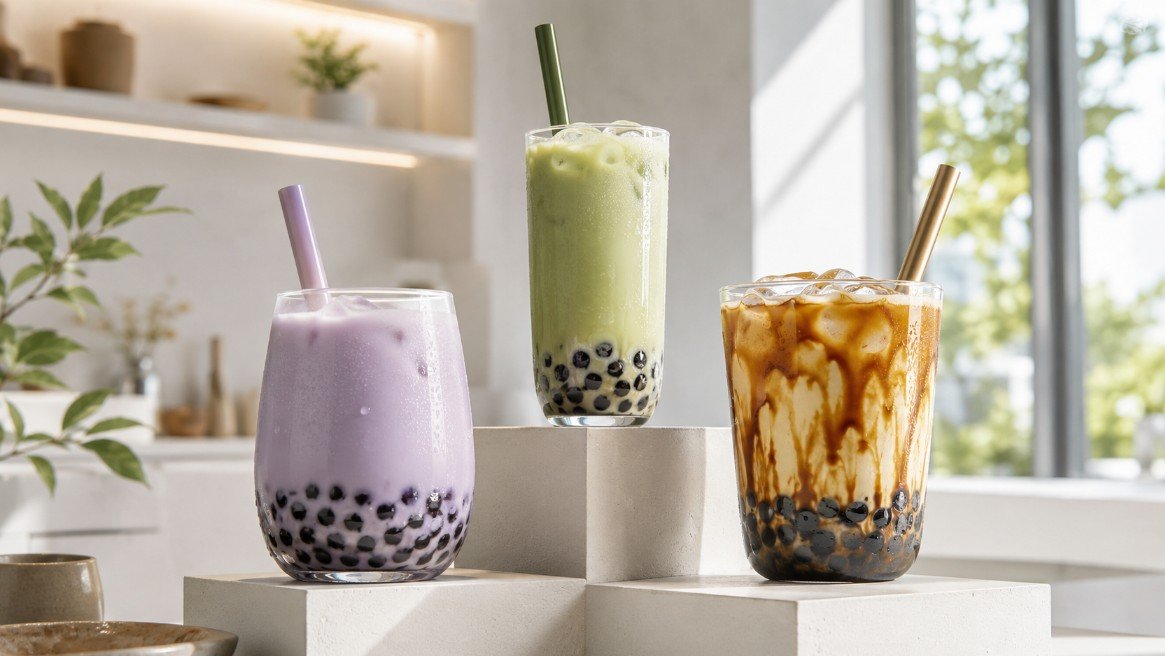
These three menu names are often recommended to beginners, but they satisfy different preferences. Taro is usually gentle and dessert-like, matcha is earthy and distinctive, and brown sugar is rich and syrup-forward.
Mellow and dessert-like
Taro drinks are commonly creamy, sweet, nutty, and sometimes vanilla-like. Powder-based versions may taste more like a flavored milkshake, while real taro can feel starchier and more earthy.
Best for: milkshake and mild dessert fans.
Earthy and distinctive
Matcha is grassy, tea-forward, and slightly bitter before milk and sugar soften it. It is not the safest choice when you already dislike green tea, but it can be excellent for matcha-latte drinkers.
Best for: people who enjoy vegetal tea flavors.
Rich and caramel-like
Brown sugar is usually the sweetest of the three. Some versions contain brewed tea; others are primarily fresh milk, syrup, and pearls. Ask what the base is when you want actual tea flavor.
Best for: people seeking a dessert cup.
Know what the menu is asking you to buy
Typical price, cup size, and straw choices for a first order
Boba prices vary by city, shop, ingredients, and whether toppings are included. Use these ranges as planning guidance rather than a guaranteed national average.
Choose medium when available
A medium is large enough to experience the drink but not so large that a disappointing flavor, heavy topping, or high sweetness becomes a chore to finish.
Use the wide straw
A standard drinking straw is too narrow for pearls and many jellies. Use the straw supplied by the shop and keep the cup upright when piercing sealed film.
Do not equate size with value
A larger cup often means more ice, more dilution, or more sweetened liquid—not necessarily better tea. For a first order, balance matters more than maximum volume.
A more personal first order
Best beginner boba by taste and texture preference
Two people can both be new to boba and need completely different recommendations. Use the preference you already know—creaminess, fruit, tea strength, sweetness, or texture—to choose a more reliable first cup.
You like iced coffee
Choose black milk tea or roasted oolong milk tea. Both have enough depth to stand up to milk and ice. Use 25–50% sweetness and tapioca pearls for a familiar roast-and-caramel direction.
Avoid first: very light floral tea with several fruit syrups.
You like matcha lattes
Choose matcha milk tea or matcha fresh milk with one soft topping. Keep sweetness moderate because too much syrup can flatten matcha’s earthy character.
Avoid first: adding both red bean and pudding unless you want a very heavy dessert cup.
You like tropical fruit drinks
Choose mango, passion fruit, lychee, or peach green tea with coconut jelly or aloe. Regular ice often works well because fruit tea is meant to be cold and refreshing.
Avoid first: pairing a bright fruit tea with dense pudding.
You like milkshakes
Choose taro, honeydew, cookies-and-cream, or a smoothie-style drink. These are easier when you want dessert first and tea second. Ask whether the drink is powder-based if that matters to you.
Avoid first: expecting a strong brewed-tea flavor.
You like unsweetened tea
Choose jasmine, oolong, or black tea at 0–25% sweetness with aloe, crystal boba, or no topping. This keeps the tea recognizable and avoids turning a familiar beverage into syrup.
Avoid first: brown sugar fresh milk.
You dislike chewy food
Order pudding, aloe, jelly, popping boba, or no topping. Boba is a drink category, so disliking tapioca does not mean you have to avoid bubble tea altogether.
Avoid first: large pearls, mini pearls, red bean, or mochi toppings.
You want the least complicated cup
Choose one tea, one sweetness level, regular or less ice, and no topping. A plain jasmine green tea or black milk tea can show whether you like the base before you add texture.
Avoid first: signature drinks with several fixed components.
You want a dessert experience
Choose brown sugar fresh milk, taro milk tea, or a cream-topped drink. Use one topping and a medium size because rich drinks become tiring faster than tea-forward cups.
Avoid first: extra syrup, extra foam, and multiple toppings together.
You are ordering for a child or cautious eater
Choose a smaller cup, a familiar flavor, and a soft topping—or no topping. Pearls and other large chewy additions require careful chewing and may not be appropriate for very young children.
Avoid first: oversized toppings and drinks that are difficult to supervise.
Popular does not always mean beginner-friendly
Which boba drinks are harder for a first order?
No drink is universally “wrong,” but some cups make it difficult to understand what you like. Save these for later unless the description matches a preference you already know.
Overloaded signature drinks
A cup with pearls, pudding, jelly, foam, syrup streaks, and a flavored powder may be visually impressive, but it gives you too many textures and sweetness sources at once. If you dislike it, you will not know which component caused the problem.
Full-sugar brown sugar drinks
Brown sugar syrup is often built into the recipe. Adding full sweetness can make the drink cloying and reduce your ability to taste milk or tea. Ask whether sweetness can be changed before adding more.
Very bitter tea-forward drinks
Unsweetened matcha, strong roasted tea, or highly brewed black tea can be excellent, but they are less forgiving when you are unfamiliar with the flavor. Start with moderate sweetness instead of trying to prove you can drink it plain.
Large delivery orders with pearls
Tapioca texture changes with time and temperature. A cup that spends a long time in transit may arrive with diluted tea and firmer pearls, giving you a worse impression than the same drink served fresh.
Several toppings “to try everything”
A sampler sounds efficient, but a crowded cup can feel like a bowl of mixed desserts. Try one topping per visit or share separate drinks with friends so each texture remains identifiable.
Unfamiliar flavors plus unfamiliar textures
When both the base and topping are new, the risk of disappointment increases. Pair a new topping with a familiar drink, or a new flavor with a simple topping—not both at once.
Before you pay
A quick first-order checklist
Use this checklist at the counter or in the app. It prevents the most common misunderstandings without slowing down the order.
Do I understand the base?
Identify whether the drink is milk tea, fresh milk, fruit tea, pure tea, smoothie, or slush. Do not rely on the flavor name alone.
Can sweetness be adjusted?
Choose 50% as a starting point unless the drink contains fixed brown sugar syrup or another prepared sweet component.
What does the topping feel like?
Ask whether it is chewy, firm, soft, slippery, or bursting. Texture is often more surprising than flavor for first-time drinkers.
Does the drink contain tea, milk, or caffeine?
Confirm the actual ingredients when dietary needs, caffeine, or allergies matter. Category names are not always enough.
Am I ordering a manageable size?
Choose medium or the smaller standard size. A first order is a tasting experience, not a challenge to finish the largest cup.
What will I change next time?
Decide in advance to notice sweetness, tea strength, ice, and topping texture. Your answer becomes the plan for the second order.
Your first sip
How to drink boba without making a mess
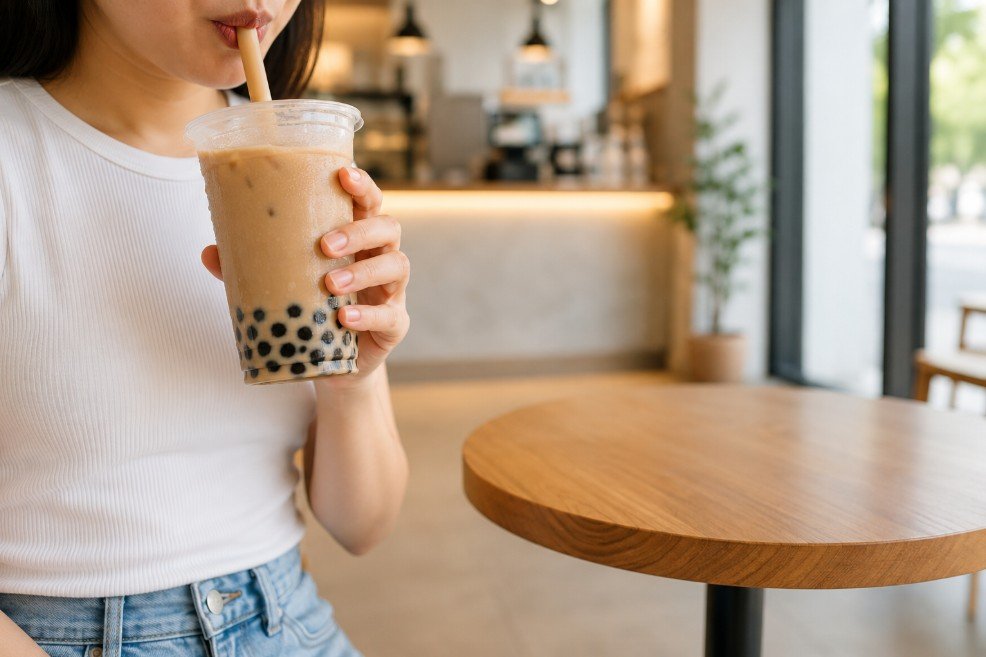
A layered drink may need gentle mixing, but foam-topped tea may be designed for an unmixed first sip. Look at the cup, follow any shop instructions, and drink slowly enough to notice the tea and topping separately.
Insert the straw carefully
Keep a sealed cup on a stable surface. Use the pointed end of the wide straw and push straight through the film rather than angling it toward the side.
Start with a small sip
Pearls can travel quickly through a wide straw. Sip gently instead of pulling hard, especially when the cup contains mini pearls or several loose toppings.
Chew the topping
Tapioca pearls are food, not a liquid ingredient. Chew them before swallowing and avoid treating the straw like a way to drink the cup as quickly as possible.
Evaluate three things
Notice the tea, sweetness, and texture separately. Your first cup is useful when you can identify which one you would change on your next order.
Ingredients still matter
Beginner choices without dairy—or with less caffeine
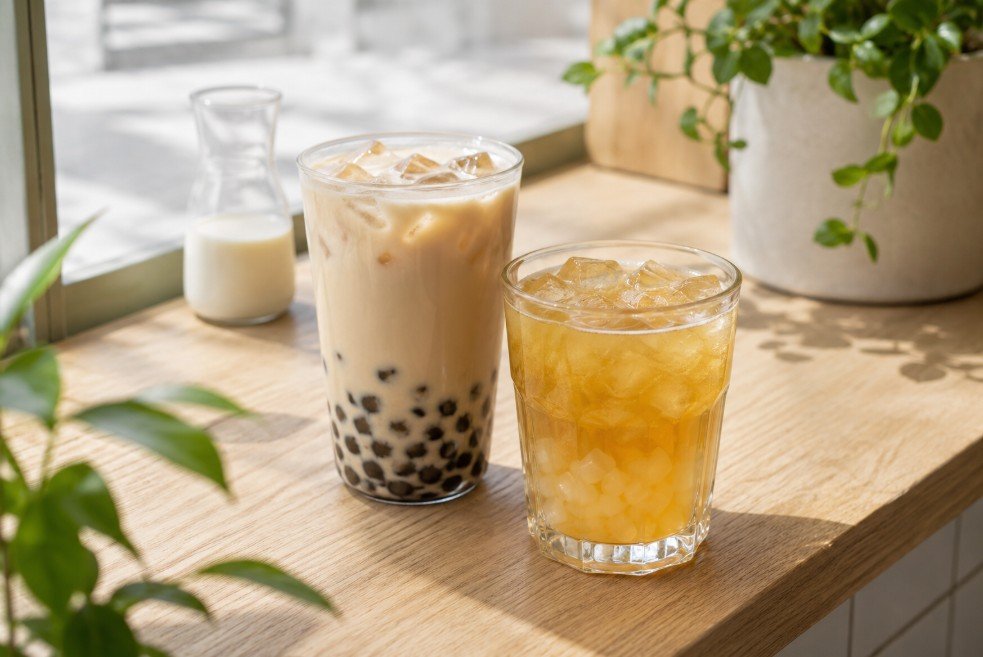
Fruit tea is often the simplest dairy-free direction, but fruit tea is not automatically dairy-free, vegan, or caffeine-free. Powders, creamers, foam, pudding, and shared equipment can change the answer, so ingredient questions matter more than the category name.
Fruit tea or confirmed plant milk
Ask whether the original base contains dairy creamer or milk powder before alternative milk is added. A plant-milk substitution does not automatically remove every dairy ingredient.
Check the actual liquid base
Milk tea and fruit tea may both contain brewed tea. Ask for herbal, decaf, or non-tea options when caffeine matters rather than assuming a fruity name means caffeine-free.
Confirm ingredients at the shop
Recipes, topping formulas, and cross-contact practices vary. A menu label is useful, but it is not a substitute for direct confirmation when an allergy is involved.
Avoid a disappointing first cup
Common beginner mistakes—and why they matter
A first boba order should teach you something. These mistakes make it harder to identify whether you disliked the tea, the flavor, the sweetness, or the texture.
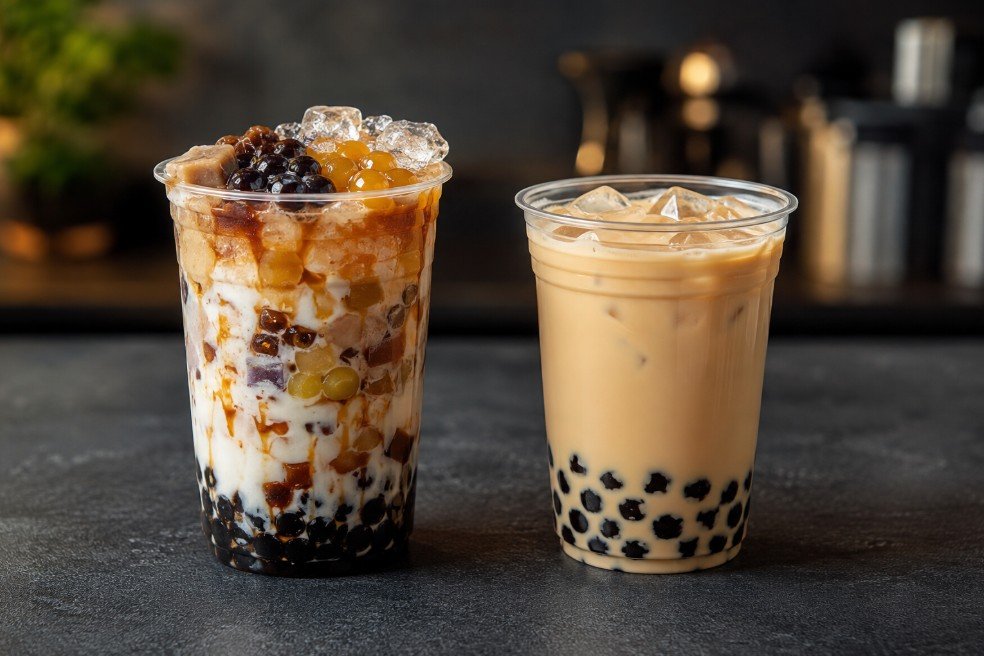
Ordering several toppings
Pearls, pudding, jelly, and foam can turn one drink into four competing textures. Start with one so the result is easy to judge.
Choosing full sweetness automatically
Many syrups and powders are already sweet. Full sugar can make a good tea taste flat and make rich toppings exhausting.
Following popularity over preference
Do not order matcha because it is trendy when you dislike earthy tea, or taro when you do not enjoy creamy dessert flavors.
Assuming every “boba” is tapioca
Crystal boba, popping boba, jelly, and pearls have completely different textures. Read the topping name before expecting a chew.
Ignoring the tea base
A mango drink can be green tea, black tea, lemonade, smoothie, or slush. The flavor name alone does not describe the whole drink.
Ordering delivery for the first test
Long travel can harden pearls, melt ice, and separate foam. An in-person or pickup order gives you a fairer first impression.
Use the first cup as data
What should you change on your second boba order?
Do not change everything at once. Keep the drink family and alter one variable. That lets you learn your preference quickly instead of starting from zero on every visit.
The drink was too sweet
Move from 50% to 25% sweetness, or choose a less syrup-heavy flavor. Keep the same tea and topping so the change is easy to identify.
The tea tasted weak
Choose a stronger black or oolong base, reduce sweetness, or ask whether the shop has freshly brewed tea rather than a powder-heavy recipe.
The pearls felt too dense
Try crystal boba, aloe, coconut jelly, or pudding. You may enjoy boba drinks while disliking traditional tapioca texture.
The drink felt too heavy
Switch from milk tea to fruit tea, remove foam, choose fewer toppings, or select a smaller cup rather than trying to fix heaviness with more ice.
The fruit tea tasted artificial
Try another shop, ask whether the drink uses puree or juice, or choose a tea-forward jasmine or oolong fruit tea with lower sweetness.
You liked everything
Keep the base and test one new flavor or topping. A good progression is black milk tea → jasmine milk tea → oolong milk tea before moving to very different formats.
A better shop gives you a better first impression
How can a beginner recognize a good boba shop?
A beautiful menu does not guarantee a good drink. Look for clear choices, recognizable tea bases, fresh toppings, and staff who can explain what is in the cup.
The tea base is named
Black, jasmine, green, and oolong tell you more than a vague “house milk tea.” Clear naming helps you compare future orders.
Sweetness and ice choices are understandable
The menu should explain which drinks can be adjusted and which already contain fixed syrup or prepared ingredients.
Pearls taste fresh
Good tapioca should be soft and elastic with no hard center. It should not dissolve into mush or taste stale.
Ingredient questions receive clear answers
Staff should be able to distinguish tea, fresh milk, creamer, powder, puree, syrup, and major toppings without guessing.
The menu is organized by drink family
Milk tea, fruit tea, fresh tea, fresh milk, smoothies, and toppings are easier to understand than one long list of flavor names.
Choose in 30 seconds
Which first boba fits you?
Pick the statement that sounds most like you. Each recommendation is a starting point, not a rule.
I want the classic experience
Black milk tea · 50% sweetness · less ice · tapioca pearls
I want something light
Jasmine milk tea · 25–50% sweetness · less ice · crystal boba
I want something fruity
Mango or peach green tea · 25–50% sweetness · coconut jelly
I want a mild dessert
Taro milk tea · 50% sweetness · less ice · pudding or pearls
I want something rich
Brown sugar fresh milk · no extra sweetness · pearls only
I dislike chewy toppings
Fruit tea or milk tea · pudding, aloe, jelly, or no topping
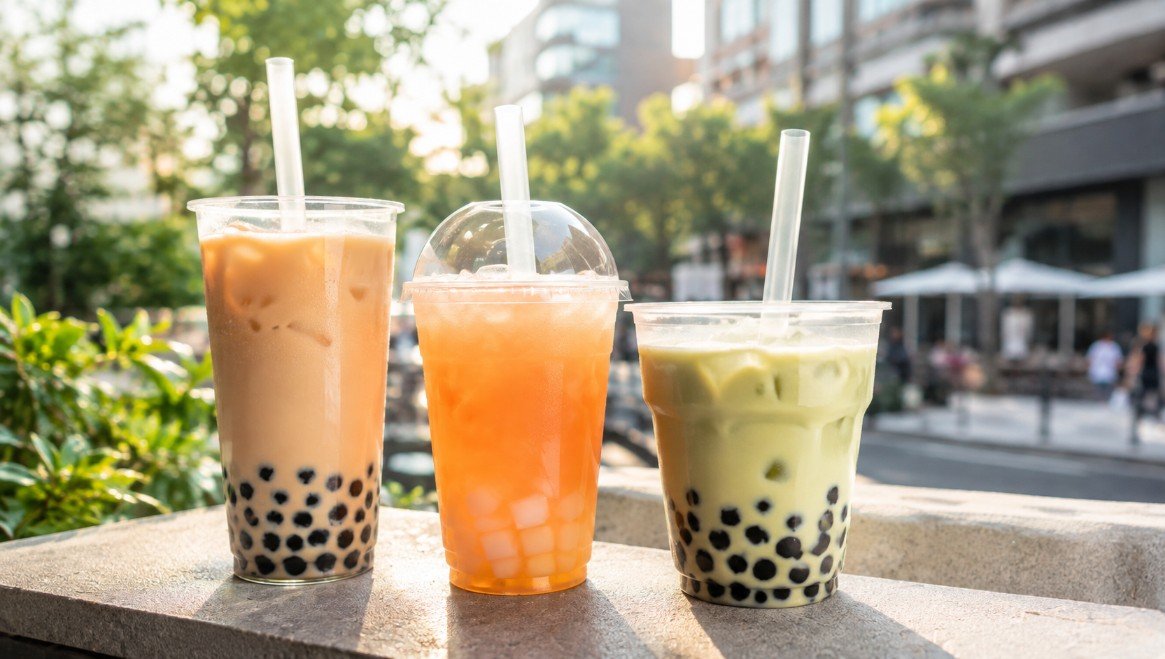
Keep the first order simple
One drink, one topping, one useful reference point
Your first boba does not need to be perfect. It needs to be understandable. Once you know whether you liked the base, sweetness, ice, and texture, the next menu becomes much easier.
Frequently asked questions
Best boba for beginners FAQ
These answers cover the practical questions that usually come up before a first order.
What boba should a beginner order first?
A medium black milk tea or jasmine milk tea with 50% sweetness, less ice, and one serving of tapioca pearls is a dependable first order.
What is the easiest boba flavor to like?
Classic milk tea, mango, peach, taro, and brown sugar are common beginner-friendly directions, but the easiest flavor is the one closest to drinks you already enjoy.
Is milk tea or fruit tea better for beginners?
Milk tea is better for people who like creamy drinks, chai, or iced lattes. Fruit tea is better for people who prefer lemonade, refreshers, or lighter iced tea.
How sweet should a first boba be?
Start at 50% sweetness when customization is available. Choose 25% when you normally drink lightly sweetened or unsweetened tea.
Should a beginner get tapioca pearls?
Choose tapioca pearls when you want the classic chewy texture. Choose crystal boba, jelly, aloe, or pudding when dense chew does not appeal to you.
How many toppings should a beginner add?
One topping is enough. It keeps the cup balanced and lets you decide whether you actually enjoy that texture.
Is taro boba good for beginners?
Yes, especially for people who like mild, creamy, vanilla-like, or nutty dessert flavors. Taro recipes vary widely between real taro and flavored powder.
Is matcha boba good for beginners?
Matcha is a good first choice for someone who already enjoys matcha lattes or earthy green tea. It is less predictable for people who dislike grassy or bitter flavors.
Can a beginner order boba without dairy?
Yes. Fruit tea and confirmed plant-milk drinks are common options, but powders, creamers, foam, and toppings can still contain dairy, so ingredients should be checked.
Does boba contain caffeine?
Many milk teas and fruit teas contain brewed tea and therefore caffeine. Ask about the actual base because a sweet or fruity flavor name does not guarantee a caffeine-free drink.
What cup size should a beginner choose?
A medium is usually the most practical size. It provides enough drink to understand the flavor without committing to an oversized cup.
What should I change on my second order?
Change one variable only: sweetness, ice, topping, or tea base. Keeping the rest stable helps you identify your real preference.