
Iced Boba Tea: Ice Levels, Toppings & How to Order
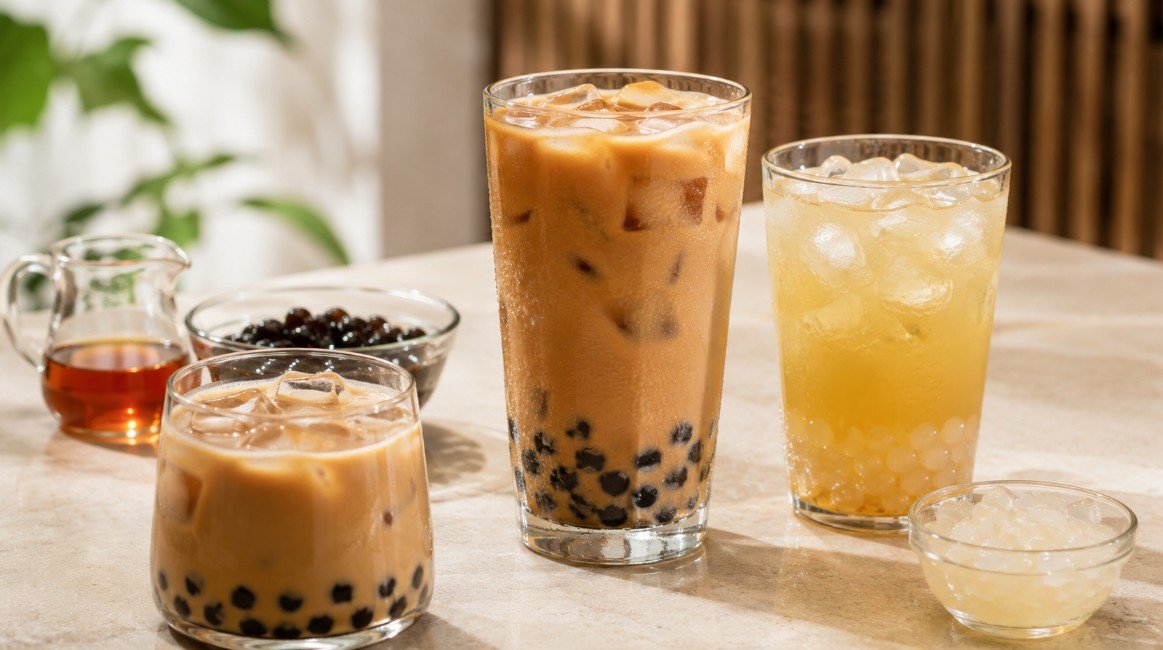
Iced boba tea is a liquid bubble tea served cold over ice, with toppings such as black tapioca pearls, crystal boba, aloe, jelly or popping boba. It can be creamy like milk tea, light like jasmine or green tea, fruity, tea-forward or somewhere in between.
The ice is not just there to make the cup cold. It changes dilution, sweetness, aroma, temperature and the way toppings feel from the first sip to the last. That is why choosing regular ice, less ice or no ice can noticeably change the same drink even when the flavor and sugar setting stay similar.
What Is Iced Boba Tea?
Iced boba tea is a cold liquid bubble tea served with ice cubes and optional toppings. Unlike a smoothie or slush, the ice remains separate from the liquid rather than being blended into the body of the drink.
The category is broad. An iced black milk tea with tapioca, clear jasmine tea with crystal boba, passion fruit green tea with jelly and fresh milk with brown sugar pearls can all be iced boba even though their flavors and textures are very different.
Liquid drink + ice + optional topping. The drink can be tea-based, milk-based or fruit-forward, but the ice remains visible as cubes rather than becoming a frozen blended texture.
For the complete system of bases, toppings and customization, start with our boba tea guide.
What Does Ice Actually Do in Boba Tea?
A good iced drink is not simply a finished room-temperature tea with random cubes added at the end. Ice changes several parts of the cup at once.
It cools the entire drink
Cold temperature gives milk tea a cleaner finish and makes jasmine, green tea and fruit drinks feel especially refreshing.
It gradually adds water
As cubes melt, the drink becomes less concentrated. That changes tea strength, sweetness and milk intensity over time.
It changes texture
The combination of cold liquid, solid ice and chewy or jelly-like toppings creates a more layered physical experience than a hot cup.
It changes the flavor progression
Your first sip can taste stronger than your last because the ratio of tea, milk, syrup and water changes while the ice melts.
What Happens as the Ice Melts?
An iced boba drink changes continuously after it is made. Melting is normal; the question is whether the original recipe was balanced well enough to remain enjoyable as that happens.
Coldest and most concentrated
The liquid is at its strongest relative concentration, the ice is mostly intact and the contrast between cold tea and freshly prepared pearls is most noticeable.
Slightly softer and more integrated
Some ice has melted, so sweetness and tea strength may feel gentler. For a well-balanced drink, this can be part of the intended experience rather than a problem.
Potentially thin and watery
Once a large amount of ice has melted, a drink that started perfectly balanced can lose tea intensity and body.
The problem is not that ice adds water. The problem is when the drink is already weak before the ice has had time to melt.
Regular Ice vs Less Ice vs No Ice
Changing ice level changes dilution and temperature, but it does not have exactly the same effect at every bubble tea shop. Current chains such as Gong cha and Kung Fu Tea explicitly allow ice-level customization on relevant cold drinks. :contentReference[oaicite:2]{index=2}
Coldest and closest to the shop’s standard balance
Regular ice is usually the safest starting point because the recipe is commonly designed around that amount of cooling and expected dilution.
fruit tea, jasmine, green tea, milk tea and most first orders.
Slower dilution
Less ice reduces the amount of water that can eventually melt into the drink, but the cup may also warm more quickly.
strong milk tea, longer travel or people who dislike ice-heavy cups.
No ongoing ice dilution
A no-ice drink will not gain water from melting cubes, but its fill volume and preparation method depend on the shop.
people who want the drink cold but do not want ice remaining in the cup.
Does Less Ice Mean You Get More Boba Tea?
Not necessarily. Less ice means there is less frozen water occupying the cup, but whether the shop replaces that volume with additional tea, milk or finished drink depends on its preparation and fill policy.
One shop may top the cup up with more finished beverage. Another may use a fixed recipe volume. A third may adjust the drink differently for no-ice orders.
This is why “no ice = more tea for the same price” is not a reliable universal rule.
Which Boba Drinks Work Best Iced?
Almost every major boba category can work cold, but fruit-forward and refreshing tea styles benefit particularly from ice.
Fruit tea
Fruit acidity, tea and ice naturally work together. The cold temperature makes citrus, peach, passion fruit and similar profiles feel cleaner and brighter.
Explore fruit tea with boba.
Jasmine and green tea
Floral or fresh tea aromas work well with ice when the drink remains strong enough to survive some dilution.
Milk tea
Black, oolong and other milk teas are equally at home cold, with tapioca adding the familiar bubble tea texture.
See our milk tea with boba guide.
Yakult drinks
The fermented sweet-tart base is naturally refreshing over ice, especially with citrus, mango or green tea.
Explore Yakult boba.
How Do Tapioca Pearls Change in an Iced Drink?
Cold boba creates a strong contrast between chilled liquid and chewy tapioca. Freshly cooked pearls may begin warmer than the drink and then gradually cool as they sit in the cup.
As tapioca spends more time in a cold drink, the texture can feel firmer than it did immediately after preparation. The exact result depends on the pearl recipe, cooking, holding time and how long the drink sits.
The more important quality signal is still freshness. Ice cannot rescue pearls that were already stale, hard in the center or poorly cooked.
Because pearls settle at the bottom, a wide straw needs to pull both liquid and topping cleanly without constant blockage.
Which Toppings Work Best in Iced Boba Tea?
Black tapioca pearls
The standard choice for iced milk tea, brown sugar drinks and many tea-forward styles.
Popping boba
Especially natural in fruit-forward cold drinks where the liquid center reinforces refreshment rather than adding dense chew.
Crystal boba, aloe and jelly
These pair well with jasmine, green tea, fruit tea and Yakult because they add texture without making the drink dramatically heavier.
Milk foam
A cool foam layer can give tea a richer first sip while preserving a lighter liquid underneath.
See our complete boba toppings guide for a broader comparison.
How Does Ice Change the Sweetness of Boba?
Melting ice does not remove sugar from the cup, but it adds water and therefore reduces the concentration of sweetness.
The drink may taste sweetest and strongest before much melting has occurred.
Some melted water reduces the concentration of tea, milk and sugar together.
Heavy melting can make both sweetness and tea flavor feel weaker.
This is one reason sugar percentages cannot be judged independently of ice. Our guide to boba sweetness levels explains how shop customization works in more detail.
Does Iced Boba Tea Have Caffeine?
Iced boba contains caffeine when the base contains caffeinated tea, matcha, coffee or another caffeinated ingredient. Ice changes temperature and dilution, not whether tea naturally contains caffeine.
Normally contains tea-derived caffeine.
Normally contains tea-derived caffeine.
Normally contains tea-derived caffeine.
Depends on whether caffeinated tea is included.
For exact caffeine considerations, see our boba caffeine guide.
Iced Boba vs Slush Boba
Iced boba is a liquid drink containing separate ice cubes; a slush blends the ice into the body of the beverage. Chatime’s current Thai Milk Slush description, for example, explicitly describes ice being blended with strongly brewed tea and milk ingredients. :contentReference[oaicite:3]{index=3}
For the frozen format itself, see our slush boba guide.
Iced Boba vs Hot Boba
Refreshing and highly customizable
Choose iced when you want fruit tea, Yakult, popping boba, jasmine, milk foam, classic chilled milk tea or simply a cold drink.
Warmer and more tea-focused
Choose hot when you care more about warmth, milk-tea comfort and tea aroma than refreshment or cold topping contrast.
Explore hot boba teaHow to Order Iced Boba Tea
Choose the base first, then topping, sweetness and ice level. Ice should be the final balancing decision rather than the first thing you remove automatically.
Your first iced boba
Try: iced black milk tea + black tapioca + moderate sweetness + regular ice.
This gives you the familiar bubble tea combination with the shop’s standard cold-drink balance.
You want something refreshing
Try: jasmine or fruit tea + crystal boba or aloe + regular or light ice.
The lighter topping keeps tea and freshness ahead of heavy syrup or creaminess.
You dislike dilution
Try: milk tea + less ice + restrained sweetness.
Less ice reduces eventual melting, but remember that extra beverage volume is not guaranteed.
“If I choose less ice, does anything else change in the drink recipe or fill volume?”
What About Takeout or Delivery?
An iced boba drink begins changing as soon as it is prepared, so travel time matters. Longer delivery means more melting and more time for toppings to sit in the drink.
Short trip
Regular ice usually preserves the intended cold serving experience well.
Longer trip
Less ice may reduce eventual dilution, although the drink may warm faster and the shop may not replace all removed ice volume with extra beverage.
Do not forget the topping
Tapioca, jelly and other toppings also continue changing as they sit. Ice level is only one part of delivery quality.
How to Tell If Iced Boba Tea Is Well Made
The first sip is not watery
A freshly made iced drink should have enough tea, milk or fruit flavor to remain distinct before significant melting occurs.
The ice supports rather than dominates
You should still see and taste an actual drink between the cubes rather than receiving a cup that feels mostly like ice.
The pearls are fresh
Tapioca should have a pleasant chew instead of hard centers or a collapsing texture.
The topping moves through the straw
Ice, liquid and toppings should work together instead of creating constant blockages.
The sweetness survives sensibly
A good cup should not begin painfully sweet just because the recipe expects melting ice to rescue it later.
The final third is still recognizable
Some dilution is normal, but the drink should not become flavored water after a short period.
Iced Boba Tea FAQ
What is iced boba tea?
Iced boba tea is a liquid bubble tea served cold over ice cubes with optional toppings such as tapioca pearls, crystal boba, jelly, aloe or popping boba.
Does less ice mean more boba tea?
Not necessarily. Whether removed ice is replaced with additional tea or finished beverage depends on the shop’s recipe and fill policy.
Is no ice better for bubble tea?
Not universally. No ice prevents melting-water dilution, but regular ice may be part of the drink’s intended temperature and balance. The best choice depends on the drink and how quickly you will consume it.
Why does iced boba become watery?
Ice gradually melts and adds water to the beverage. Some dilution is expected, but a drink that is already weak when freshly prepared can become watery quickly.
What boba drinks are best iced?
Fruit tea, jasmine, green tea, Yakult drinks and classic milk teas all work well iced. Cold serving also supports toppings such as popping boba, jelly and milk foam especially naturally.
Do tapioca pearls get harder in cold drinks?
They can feel firmer as they spend time in a cold drink, but the result depends on the pearl recipe, preparation and holding time. Freshness remains more important than temperature alone.
What toppings are best for iced boba?
Black tapioca is the classic choice. Crystal boba, aloe and jelly work well in lighter teas, while popping boba is especially natural in cold fruit drinks.
Does iced boba tea have caffeine?
It does when the base contains caffeinated tea, matcha, coffee or another caffeinated ingredient. Temperature and ice level do not determine whether the drink contains caffeine.
What is the difference between iced boba and a slush?
Iced boba is liquid with separate ice cubes. A slush blends ice into the drink itself, creating a thicker semi-frozen texture.
Is iced boba sweeter than hot boba?
Not automatically. The recipes may contain similar or different amounts of sweetener, but an iced drink becomes more diluted as its ice melts, while a hot drink has no comparable melting-water effect.
Editorial note: Ice levels, fill policies, temperature options and topping availability vary by bubble tea shop. Less ice or no ice does not automatically guarantee more tea, milk or finished beverage.