
What Does Boba Taste Like? A Guide to Flavor, Sweetness and Texture
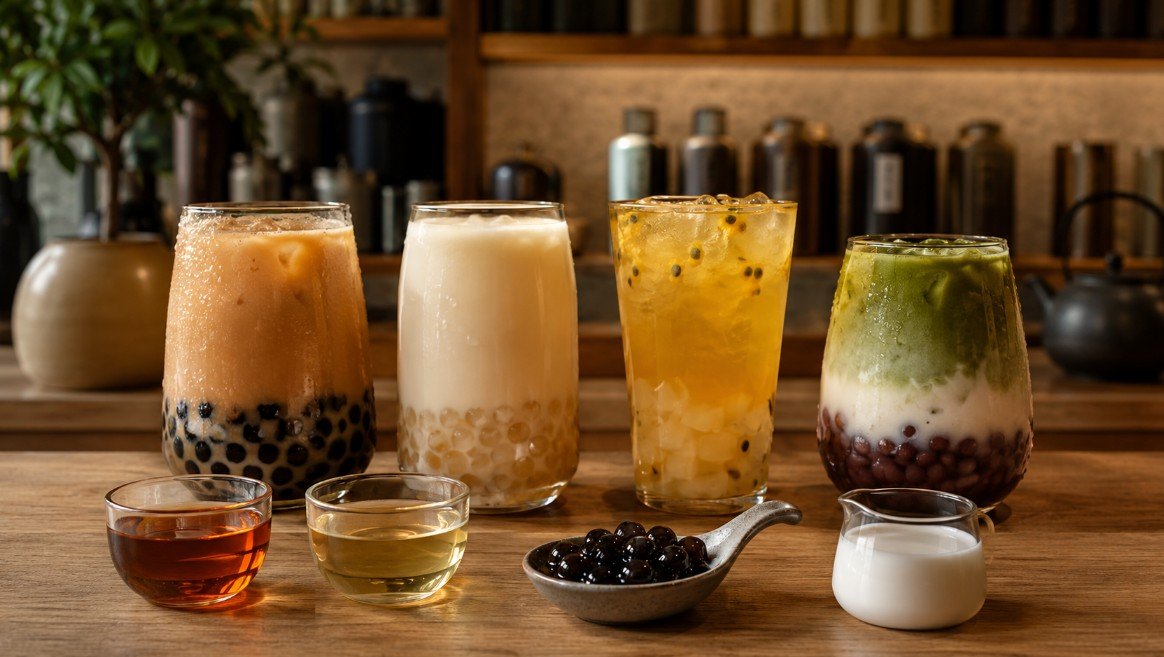
Boba does not have one single taste. A classic milk tea with tapioca pearls may taste creamy, tea-forward and lightly caramel-like, while a passion fruit green tea can be bright, tangy and refreshing. Matcha boba can be earthy and milky; jasmine milk tea can be floral and delicate; brown sugar fresh milk can taste rich, sweet and almost dessert-like.
The easiest way to understand boba flavor is to stop thinking of it as one recipe. A finished cup is built from several sensory layers: the drink base, milk or lack of milk, sweetness, added flavor and topping. Change one of those layers and the experience can change dramatically.
If you are still separating the word boba from the drink itself, start with our explanation of what boba is. Here, we are focusing entirely on what it tastes like once it reaches your mouth.
“Sweet and milky” describes some boba, not all boba
Many people first meet boba through classic pearl milk tea, so it is easy to assume that all boba tastes creamy and sweet. That is only one branch of a much larger drink family.
A fruit tea with aloe may contain no milk at all. Roasted oolong can emphasize toasted tea aromas. Jasmine can taste floral and aromatic. Matcha contributes vegetal, earthy notes. Brown sugar fresh milk may put syrup and dairy ahead of tea. Slushes and smoothies move even further toward a dessert-style experience.
The common thread is not a single flavor. It is the format: a customizable drink where liquid, sweetness and texture can be combined in many ways. That is why two orders from the same shop can taste almost unrelated even though both are called boba.
What do tapioca boba pearls taste like?
Plain tapioca pearls have a mild flavor. The starch itself is not intensely sweet, fruity or chocolate-like. Much of the familiar flavor of black boba comes from how the pearls are prepared and sweetened.
Cooked pearls are commonly soaked or held in sugar syrup. Brown sugar can add molasses-like, caramel and toasted sweetness; simpler syrups give a cleaner sugary taste. This means the pearl you encounter in a shop can taste much richer than plain cooked tapioca would on its own.
Texture does much of the work. A pearl keeps you chewing after the tea itself has moved across the palate, so a lightly flavored topping can still have a major effect on the overall drinking experience. For the ingredient itself, see what boba pearls are made from.
PEARL FLAVOR
Mild starch + the syrup it absorbsA black color does not automatically mean an intense flavor. Preparation matters more.
Five parts shape what a boba drink tastes like
When a drink seems unusually creamy, sharp, floral or dessert-like, you can usually trace that impression back to one or more of these five layers.
Base
Black tea, jasmine, green tea, oolong, matcha, coffee, fresh milk or another base establishes the main direction.
Milk
Dairy or plant-based milk softens tea bitterness, adds body and can make flavors feel rounder and sweeter.
Sweetness
Sugar can reduce the perception of bitterness and amplify dessert-like notes, but too much can hide delicate tea.
Flavor
Fruit, taro, wintermelon, chocolate, floral ingredients and syrups can move the drink far away from the base tea.
Topping
Tapioca, jelly, aloe, red bean, pudding or foam changes not only texture but how sweetness and flavor linger.
The base can make boba taste bold, floral, fresh or roasted
In tea-based boba, tea is not merely a liquid carrier for sugar and toppings. A well-built drink still lets the base contribute aroma, bitterness, astringency, roasted character or floral notes. Milk and sugar can soften those signals, but they do not erase them completely unless the recipe overwhelms the tea.
Black tea
Usually the easiest path to a bold classic milk-tea profile: deeper tea flavor, noticeable tannic structure and enough strength to stand up to milk.
Jasmine tea
More aromatic and floral. In milk tea it can feel softer and perfumed; in fruit tea it can provide a fragrant background instead of a heavy base.
Green tea
Fresh, lighter and sometimes grassy or vegetal. It often pairs naturally with citrus, passion fruit, peach and other bright flavors.
Oolong
A wide category in itself. Depending on the tea, it can lean floral, creamy, toasted, mineral or deeply roasted, making it especially useful for tea-forward boba.
Matcha
Earthy, vegetal and slightly bitter with a fuller powdered-tea character. Milk and sweetness can make it feel creamy without eliminating its distinctive green-tea taste.
There is much more variation within each tea family than a short flavor page can cover. If tea character is the part of boba that interests you most, continue with our guide to tea used in boba.
Where does your drink sit on the boba flavor spectrum?
These categories are not strict boxes. One drink can sit between several of them. A jasmine milk tea, for example, can be floral and creamy at the same time; roasted oolong milk tea can be both creamy and tea-forward.
Milk tea, fresh milk drinks, pudding combinations and milk-forward matcha often feel smooth, rounded and rich.
Think: classic milk tea · fresh milk · taro milk drinksFruit teas can taste bright, juicy, tart or candy-like depending on whether the flavor comes from juice, puree, syrup or other ingredients.
Think: passion fruit · mango · peach · lycheeJasmine, rose, osmanthus and some lightly oxidized teas can create aromatic cups that feel delicate rather than heavy.
Think: jasmine tea · rose · floral oolongRoasted tea, toasted grain notes and darker sugar profiles can make a drink feel deeper, warmer and less obviously fruit-driven.
Think: roasted oolong · hojicha-style drinks · brown sugarMatcha, black sesame and some bean or grain ingredients bring savory-adjacent, nutty, vegetal or earthy notes that contrast with sweetness.
Think: matcha · red bean · black sesameChocolate, cookies, thick taro drinks, brown sugar milk and heavily topped beverages can move boba toward the experience of a drinkable dessert.
Think: brown sugar fresh milk · chocolate · cookies & creamFor the larger map of individual flavors and combinations, browse our boba flavors guide.
Brown sugar boba can taste more like syrup and dairy than tea
Brown sugar drinks are a useful example of why the word boba tells you very little about flavor by itself. Some versions use a tea base, but others are built around fresh milk, dark syrup and warm tapioca pearls.
The syrup can contribute caramel, molasses-like and toasted-sugar impressions. When streaked around the inside of a cup, it can also create concentrated pockets of sweetness before the drink is fully mixed. Add warm pearls and cold milk, and the contrast becomes as much about temperature and texture as flavor.
Someone who loves a traditional black milk tea may therefore find a brown sugar fresh milk drink much richer and sweeter, even though both contain tapioca pearls.
Chewing changes how the drink feels — and how you perceive it
A cup of boba is unusual because you repeatedly switch between sipping and chewing. The liquid may be smooth and cool while the topping is elastic, slippery, crisp, soft or bursting. That contrast changes the rhythm of the drink.
Tapioca pearls can carry syrup into each bite. Jelly may contribute its own sweetness. Red beans make the experience denser and more food-like. Popping spheres release flavor suddenly rather than asking you to chew for long.
So when someone says, “I don’t like the taste of boba,” the problem may actually be texture. Separating those two reactions is useful before you give up on the entire category. Our page on what boba feels like focuses on that sensory question.
A different topping can make the same drink feel like a different drink.
Three boba orders can teach you what you actually like
Instead of trying to find the universally “best” boba, use your first few orders to test three very different directions.
Black or jasmine milk tea + tapioca pearls
You learn whether you enjoy the central milk-tea combination: brewed tea, creaminess, sweetness and a chewy starch topping in the same sip.
Milk tea + chew
Passion fruit or peach green tea + aloe
You remove the heavy milk component and replace tapioca with a lighter topping, making it easier to judge whether fruit tea is more your style.
Fruit + freshness
Roasted oolong milk tea + one simple topping
Choose moderate sweetness and let the tea remain obvious. If this is your favorite, future orders should probably start with tea base rather than flavor syrup.
Tea aroma + roast
If you would rather choose by sweetness, texture or mood before ordering, use Choose Your Boba as the next step.
You can often make the same flavor taste very different by changing sweetness
Many boba shops allow customers to choose a sweetness level, but the meaning is not perfectly standardized between shops. Reducing added syrup can make tea bitterness, roast, florality or fruit acidity more obvious. It can also make a milk tea feel less dessert-like.
One important caveat: selecting a lower sweetness percentage does not necessarily mean the finished drink contains no other sugar. Premixed ingredients, flavored powders, fruit preparations, toppings, pudding or brown sugar pearls may already contribute sweetness that is not removed simply by adjusting the shop’s main syrup setting.
For a first order, moderate sweetness is often more informative than going straight to either extreme. You want enough sweetness for the recipe to make sense without masking the base you are trying to taste. Our boba ordering guide explains customization in more detail.
The best boba tastes integrated, not like five ingredients fighting each other
A good cup does not require subtle fine-dining flavors. It can be unapologetically sweet, creamy or fruity. What matters is whether the components make sense together.
If tea is supposed to lead, you should still be able to recognize it after milk and sugar are added.
Sweetness should support the chosen style rather than flatten every aroma into the same sugary taste.
The topping should contribute something intentional: chew, freshness, creaminess, burst or contrast.
The final sip should feel like one designed drink rather than tea, syrup and toppings that happen to occupy the same cup.
Questions about what boba tastes like
Does boba taste like tea?
Tea-based boba can taste clearly like tea, especially when the drink uses a strong black tea, jasmine, green tea or oolong base and moderate sweetness. But not every boba drink contains tea, and some milk-, fruit- or dessert-forward recipes can make tea much less noticeable.
Is boba always sweet?
Most shop drinks contain some source of sweetness, but the level varies widely. Many shops allow adjustment of added sugar, while other ingredients such as flavored syrups, sweetened toppings or prepared mixes may contribute sweetness independently.
What does classic boba milk tea taste like?
Classic milk tea generally combines brewed-tea character with milkiness and sweetness, plus the mild, syrup-coated chew of tapioca pearls. Depending on the tea, the cup may lean malty, floral, brisk or roasted.
What does brown sugar boba taste like?
Brown sugar boba often emphasizes deep sweetness, caramel and molasses-like notes. In fresh-milk versions, the flavor can be much more dairy-and-syrup driven than tea-forward.
Does tapioca boba taste like gummy candy?
Not exactly. The comparison makes sense because both involve chewing, but tapioca pearls have a softer, starch-based elasticity rather than the gelatinous or candy-like texture and concentrated flavor of many gummies.
What boba tastes least like milk?
A clear fruit tea or straight tea with a non-creamy topping such as aloe or certain jellies is usually a better direction than milk tea. Check the individual drink because recipes and toppings vary by shop.
Which boba tastes most like dessert?
Brown sugar fresh milk, chocolate drinks, thick taro drinks, cookies-and-cream combinations, smoothies and heavily topped milk drinks often sit toward the dessert end of the spectrum.
What boba should I try if I like coffee?
Start with roasted oolong or a coffee-based boba drink rather than a delicate fruit tea. Both directions can provide deeper roasted flavors, and you can then decide whether you prefer an actual coffee base or tea with coffee-like roast character.
Why does the same boba flavor taste different at different shops?
Shops may use different teas, brewing strengths, milks, creamers, fruit preparations, powders, syrups, sweetness systems and toppings. Even two drinks with the same menu name can therefore have noticeably different aroma, body and sweetness.
THE SIMPLE WAY TO REMEMBER IT
Boba tastes like the cup you build. Tea sets the foundation, milk changes the body, sweetness shifts the balance, flavors create direction and toppings change how every sip is experienced.