
Refreshing tea, fruit and topping combinations
Fruit Tea with Boba: Best Flavors, Toppings and How to Order
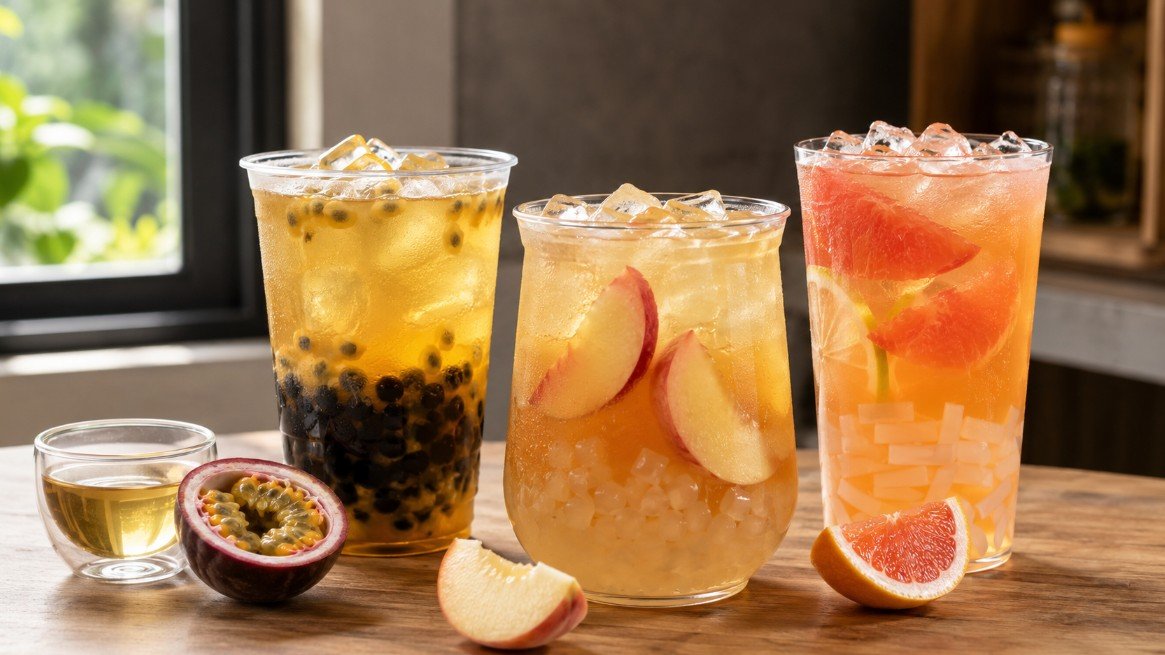
Fruit tea with boba is a tea-based drink flavored with fruit and served with tapioca pearls or another topping. Compared with milk tea, it is usually lighter, brighter and more refreshing, but the best versions still keep a clear tea backbone. A good fruit tea should not taste like random juice poured over ice. It should feel like tea, fruit, sweetness, temperature and texture working together in the same cup.
That balance is what makes the category so useful. Some people want something cold and citrusy instead of creamy. Some want real tartness from passion fruit. Others want a floral jasmine tea with peach or lychee that feels softer and more aromatic. Then toppings change the drink again: black pearls add chew and a slight brown-sugar depth, aloe keeps it lighter, crystal boba feels cleaner, and jelly can create a firmer contrast without making the drink heavy.
Fruit tea also solves a practical problem for many new boba drinkers: it is often the easiest bridge into the menu if you are not sure about milk tea. You still get the fun of customization and toppings, but the flavor profile can feel more familiar because it starts with tea and fruit rather than tea and milk. That makes fruit tea one of the most flexible categories in a modern bubble tea shop.
Start with the structure
What Fruit Tea with Boba Actually Means
At its simplest, fruit tea with boba is built from five moving parts: a brewed tea base, a fruit component, sweetness, ice and a topping. The fruit element may come from fresh fruit, fruit puree, syrup, juice, concentrate or a combination of those. That is why two mango teas from two different shops can taste surprisingly different even when they carry nearly the same name on the menu.
The tea base matters because it gives the drink its spine. Green tea keeps things light and grassy. Jasmine adds floral lift. Black tea brings a firmer body and can hold up well to lemon, peach or berry flavors. Oolong can make fruit tea taste more aromatic and a little more grown-up, especially if the shop uses a roasted or floral oolong rather than something neutral.
The topping is what turns fruit tea into part of the wider boba world. The phrase “with boba” often suggests black tapioca pearls, but many fruit teas are just as good—or sometimes better—with aloe, crystal boba, nata de coco or jelly. That is why people who say they do not like “fruit tea with boba” are often reacting to one topping choice rather than rejecting the whole category.
Tea base
Brewed tea keeps the drink from tasting flat or purely syrupy. It should still be present in the finished cup, even when the fruit note is vivid.
Fruit component
This provides sweetness, aroma, acidity and color. It can be fresh, pulpy, syrupy, delicate or concentrated depending on the recipe.
Topping
Pearls, aloe, crystal boba and jelly are not minor decorations. They change mouthfeel, pacing and the overall style of the drink.
The best versions still taste recognizably like tea, and the topping should support the fruit profile rather than fight with it.
The difference most beginners want first
Fruit Tea and Milk Tea Belong to the Same Category but Behave Very Differently
Milk tea is built around smoothness and roundness. The milk softens bitterness, creates weight and gives the drink a richer mouthfeel. Fruit tea usually moves in the opposite direction. It emphasizes brightness, acidity and refreshment. The tea can feel more exposed because there is no dairy cushion to round everything out.
That means fruit tea is often the better fit when you want something colder-feeling, sharper or less dessert-like. It is also a common choice for people who like tea but do not always want a creamy drink. On the other hand, someone who wants comfort, a softer profile or a more filling cup may still prefer milk tea. Neither category is automatically better; they serve different moods.
Fruit tea also looks different in the cup. It is more likely to be translucent, which makes tea color and toppings easier to see. That transparency creates a cleaner visual language than milk tea, where everything can look more unified and opaque. If you want to compare the creamy side of the category, see our separate guide to milk tea with boba.
Lighter and brighter
Often more refreshing, more acidic and more tea-visible, especially when built on green, jasmine or black tea.
Rounder and creamier
Usually smoother, richer and more dessert-like, with milk softening the tea and sweetness.
Customization and texture
Both categories rely on the same core strengths of boba culture: toppings, sweetness control, ice control and strong visual identity.
The part that decides the whole direction
The Best Fruit Teas Start with the Right Tea Base
People often focus on fruit flavor first, but tea base may matter even more. A shop can use the same peach syrup with different teas and end up with drinks that feel completely different. If the tea and fruit clash, the drink can taste confused. If they cooperate, the result feels layered and intentional.
For a wider introduction to black tea, green tea, jasmine and oolong in bubble tea, visit our full tea guide. For fruit tea specifically, these are the pairings that usually make the most sense.
Green tea
Green tea is one of the safest fruit-tea bases because it is light enough to feel refreshing but present enough to hold a bright fruit note. It works especially well with passion fruit, mango, citrus and mixed tropical flavors.
Jasmine green tea
Jasmine adds a floral lift that pairs beautifully with peach, lychee and many lighter fruit profiles. If you want a fruit tea that feels elegant rather than aggressively juicy, jasmine is often a strong choice.
Black tea
Black tea brings more body and can support stronger citrus, lemon, peach or berry flavors. It is useful when you want the drink to feel sturdy rather than delicate.
Oolong
Oolong gives fruit tea a more aromatic, often more mature personality. Roasted oolong can be wonderful with peach or citrus, while lighter oolongs can add floral complexity.
When a fruit tea tastes flat, the problem is often not the fruit itself but the missing tea foundation. A strong fruit tea should still taste like a tea-based drink, not a melted candy beverage.
Popular flavor directions
Fruit Tea Works Best When the Fruit Matches the Tea and the Topping
There is no single best fruit tea with boba because the category is wide. What matters is whether the fruit style, tea base and topping all pull in the same direction. Below are the flavor paths that tend to work especially well.
Passion fruit
Passion fruit is one of the strongest classic choices because it brings real tartness and aroma. It pairs naturally with green tea and can handle black tapioca pearls surprisingly well, since the fruit’s acidity prevents the drink from feeling too heavy.
Peach
Peach often shines with jasmine tea. The result can feel soft, floral and broadly approachable, making it one of the easiest beginner-friendly fruit teas. Aloe or crystal boba tends to support peach better than heavy pearls if you want a cleaner finish.
Mango
Mango can move in two directions: light and refreshing or thicker and more dessert-like. The difference depends on how much puree is used. Green tea helps preserve freshness, while coconut jelly or pearls can push the drink toward a richer texture.
Lychee
Lychee is very aromatic and often pairs beautifully with jasmine. It can be lovely and elegant, but if a shop relies too heavily on syrup, it may turn perfume-like. Crystal boba or aloe usually keeps the drink lighter and more balanced.
Citrus and lemon
Citrus-based fruit teas often feel the most refreshing. Lemon black tea is a recognizable classic, while grapefruit, orange or yuzu-style combinations can work beautifully with green or jasmine tea. Aloe, jelly and crystal boba usually fit the profile well.
Berry and grape
Berry profiles vary more by shop because they may rely on puree, syrup or mixed fruit blends. They can taste playful and vivid, but quality matters. Grape tea can be juicy and floral; grapefruit tea is sharper and more bitter. Those are not the same family even if people sometimes confuse the names.
For a broader view beyond fruit tea, our boba flavors guide covers the larger flavor map across milk teas, fresh milk drinks, fruit teas and dessert-style combinations.
Texture should match the drink
The Best Topping Is Not Always Black Tapioca
Because “boba” often refers to tapioca pearls, many people assume every fruit tea should automatically come with black pearls. Sometimes that works beautifully. Sometimes it makes the drink feel heavier than it needs to be. The right topping depends on how delicate, tart, thick or floral the fruit tea is.
Black tapioca pearls
Best when the fruit flavor is strong enough to handle the chew and the slight caramel depth that often comes with traditional pearls. Passion fruit, mango and stronger citrus teas can work very well here.
Crystal boba
Lighter, more translucent and often a better fit for cleaner fruit teas. It keeps the visual brightness of the drink and usually feels less heavy than black tapioca.
Aloe
One of the most refreshing options. Aloe supports peach, lychee, jasmine and citrus profiles particularly well because it adds texture without introducing much heaviness.
Jelly or nata de coco
These toppings can add a firmer bite and a crisp contrast that suits tropical and citrus drinks. Coconut-style jelly often works especially well in mango or passion fruit combinations.
If you want a full topping glossary, our boba toppings guide compares pearls, jelly, pudding, aloe, crystal boba and other common add-ins in more detail.
They just work best when the drink is strong enough to support them. Delicate peach jasmine may be better with aloe or crystal boba, while passion fruit green tea can easily handle classic pearls.
The practical part
How to Order Fruit Tea with Boba Without Guessing Blindly
Fruit tea sounds simple until you are staring at a large menu and several topping choices. The easiest way to order well is to make four decisions in the right order: fruit direction, tea base, topping and then sweetness/ice. That keeps the process from feeling overwhelming.
Choose the fruit mood
Do you want tart and bright, soft and floral, sweet and tropical or crisp and citrusy? That single question narrows the menu much faster than reading every item one by one.
Match it to tea
Peach and lychee often suit jasmine; passion fruit and mango usually work well with green tea; lemon and stronger berry profiles can be good with black tea.
Pick the texture
If you want classic chew, choose pearls. If you want something lighter and cleaner, think aloe, crystal boba or jelly.
Adjust sweetness and ice last
Fruit components already add sweetness, so you can fine-tune at the end rather than starting there. Moderate sweetness is often the safer first step.
For many people, fruit tea tastes best at a lower sweetness setting than dessert-like milk teas. That is not a health rule; it is a flavor rule. Too much sweetness can flatten the fruit and hide the tea. As a general starting point, a moderate setting often gives the tea and acidity more room to show. Ice matters too. Less ice may increase intensity but can make the drink feel sweeter and warmer. Standard ice often produces the most balanced first experience.
Best beginner order if you want refreshing
Peach jasmine tea with aloe or crystal boba is a gentle entry point because it feels bright and floral without being too intense.
Best beginner order if you want classic boba texture
Passion fruit green tea with pearls offers a stronger fruit profile that can stand up to traditional tapioca chew.
Best beginner order if you want sweet tropical flavor
Mango green tea with coconut jelly or pearls gives sweetness and body while still staying recognizably on the fruit-tea side.
A good bridge into the menu
Fruit Tea Is Often the Best Category for People Who Do Not Love Milk Tea
Many first-time customers think boba automatically means milk tea. Then they discover that the milk texture, sweetness or creaminess is not what they wanted. Fruit tea can solve that quickly. It keeps the fun of the bubble tea format—sealed cup, wide straw, toppings, customization—while removing the dairy-centered profile.
This makes fruit tea a practical recommendation for several types of drinkers: people who prefer lighter beverages, people who want something more thirst-quenching, people who usually order iced tea rather than coffee-shop drinks, and people who find creamy drinks too filling. In other words, fruit tea is not a niche side category. For many customers it is the main doorway into boba.
That is also why fruit tea tends to work well in warm weather or daytime settings. It can feel less like a treat that replaces dessert and more like a refreshing tea with an added textural twist.
Questions people ask after the first sip
Dairy, Caffeine and Nutrition Depend on the Specific Drink
Fruit tea is often easier to fit into different dietary preferences than milk tea, but you still need to pay attention to the actual recipe. Standard fruit tea is frequently dairy-free because it does not rely on milk, yet some menu items may include cream caps, foam or add-ons that change that. Cross-contact can also matter in busy shop environments. If dairy is a serious concern, our boba dietary guide explains the practical questions worth asking.
Caffeine is similar: if the drink is built on green tea, jasmine, black tea or oolong, it usually contains caffeine. If a shop uses an herbal or caffeine-free base for a particular fruit drink, that may change the answer. Never assume every fruit tea is caffeine-free just because it tastes light or because the fruit note is dominant.
Nutrition varies a lot. Fruit tea may look lighter than milk tea, but sugar can still be substantial depending on syrups, purees, sweetness level and topping choice. Pearls and other toppings also change carbohydrates and calories. That is why “fruit tea is healthy” is too simple. Some versions are moderate and refreshing; others are closer to a sweet treat. For the bigger picture, visit our boba nutrition guide.
Often dairy-free
Many fruit teas do not use milk, but check for foam, cream caps or specialty add-ons.
Usually caffeinated
If the base is real tea, expect some caffeine unless the menu says otherwise.
Sweetness varies a lot
Fruit puree, syrup and topping choice can make two fruit teas with the same name nutritionally quite different.
Toppings matter
Pearls, jelly and popping boba are part of the pleasure, but they also change the drink’s sugar and calorie profile.
Fresh fruit, puree or syrup?
The Fruit Source Changes Quality, Texture and Expectations
Not all fruit teas are built the same way. Fresh fruit can give brightness, natural variation and a sense of immediacy, but it also depends on season and handling. Puree adds body and consistent flavor, though it can make a drink thicker and sweeter. Syrup is efficient and consistent, but lower-quality syrups may taste artificial or flatten the tea.
This does not mean syrup is automatically bad. Many good shops use syrup strategically, especially to keep a reliable flavor profile. The important question is whether the finished drink still tastes balanced and tea-forward enough for the category. A poor fruit tea often tastes as if fruit sweetness has been dropped into water with almost no tea structure underneath it.
That is why fruit tea benefits from the same quality lens as any other bubble tea. Ingredient source matters, but execution matters just as much. Fresh fruit can still fail if the tea is weak. Syrup-based drinks can still work if the tea, acidity and sweetness are intelligently balanced.
How to tell whether the drink is actually good
A Good Fruit Tea Should Taste Layered, Not Just Sweet
The easiest quality test is simple: after the first few sips, can you still taste tea? If the answer is no, the drink may be leaning too far toward sweet fruit beverage rather than fruit tea. The tea does not need to dominate, but it should contribute something real—aroma, tannin, floral notes, light bitterness or body.
Second, look at the sweetness-acidity balance. Passion fruit should not taste like flat sugar water. Peach should not feel so sugary that the floral side disappears. Citrus should feel refreshing, not sharply sour in a way that suggests the rest of the structure is weak. Third, judge the topping in context. Pearls should be pleasantly chewy, not stale or hard in the center. Aloe should taste cool and clean, not like a random add-on. Jelly should add contrast rather than feeling like a separate dessert trapped in the same cup.
Our broader boba quality guide covers freshness, tea strength, texture and balance across all major styles of bubble tea. Fruit tea follows the same core rule as the rest of the category: good drinks feel intentional. Weak drinks feel assembled.
There is also a pacing element to good fruit tea that people do not always notice consciously. A balanced drink should change slightly from sip to sip without becoming chaotic. The first sip may bring tea aroma, the next may emphasize tartness, and later sips may feel rounder as the topping enters the straw more often. When a fruit tea is well built, the cup stays interesting to the bottom. When it is weakly built, the experience collapses quickly into sweetness and melted ice.
You can still taste tea
The fruit is vivid, but the brewed base still contributes something real to the drink’s identity.
The topping suits the drink
Texture supports the fruit style instead of making a delicate tea feel muddy or overly heavy.
Everything tastes syrupy
If the drink is all sweetness and color with almost no tea character, it may be better described as a fruit beverage than a strong fruit tea.
Why the category keeps growing
Fruit Tea Is One of the Most Flexible Parts of the Boba Menu
Fruit tea can be crisp or rich, simple or layered, tart or soft, highly classic or highly seasonal. It gives shops room to use different teas, different fruit sources and different textures while still staying within a format that customers understand quickly. That is why the category keeps showing up in so many forms across modern boba menus.
It is also a category that supports repeat visits well. Someone may have a default lemon black tea, then switch to peach jasmine on hot days, then try mango with jelly when they want something sweeter. The structure is stable enough to feel familiar and open enough to stay interesting.
If you are new to fruit tea with boba, the safest strategy is not to hunt for the most extreme item on the menu. Start with a fruit direction you already enjoy, match it to a suitable tea base, pick a topping that fits the mood and keep sweetness moderate enough for the tea and acidity to stay alive.
When the tea, fruit and topping are in balance, the drink feels much more grown-up and much more satisfying than its colorful appearance may suggest.
FAQ
Common Questions About Fruit Tea with Boba
What is fruit tea with boba?
Fruit tea with boba is a tea-based drink flavored with fruit and served with a topping such as tapioca pearls, aloe, crystal boba or jelly. The exact recipe depends on the tea base, fruit source, sweetness and texture choice.
What is the best fruit tea with boba?
There is no single best option for everyone, but passion fruit green tea, peach jasmine tea and citrus-based teas are all strong starting points. The best choice depends on whether you prefer tart, floral, tropical or citrus flavors and whether you want heavy chew from pearls or a lighter topping.
Does fruit tea with boba have milk?
Usually no, which is one reason many people see fruit tea as a lighter alternative to milk tea. However, specialty foams or add-ons can introduce dairy, so check the menu when that matters.
Does fruit tea have caffeine?
Often yes. If the drink uses black tea, green tea, jasmine tea or oolong, it usually contains caffeine. The exact amount depends on the tea base and the shop’s recipe.
Are tapioca pearls good in fruit tea?
Yes, especially in stronger fruit teas such as passion fruit or mango. For lighter and more floral drinks, aloe or crystal boba may sometimes create a better balance.
What toppings go best with fruit tea?
Aloe, crystal boba, jelly, nata de coco and classic pearls can all work well. The best topping depends on whether you want the drink to feel lighter, cleaner, chewier or more dessert-like.
Is fruit tea with boba dairy-free?
Many fruit teas are dairy-free, but not all add-ons are. Foam toppings, cream caps and cross-contact in the shop can matter, so ask when dietary restrictions are important.
What is the difference between fruit tea and milk tea?
Fruit tea is usually brighter, lighter and more refreshing, while milk tea is creamier, richer and softer in texture. Both can use similar toppings and customization systems, but they create very different drinking experiences.
Is fruit tea with boba sweet?
It can be, but the sweetness depends on the fruit source, shop recipe and your customization choices. Many people prefer fruit tea at a moderate sweetness level so that the tea and acidity remain clear.
Fruit tea with boba works because it gives you the playful side of bubble tea without forcing everything toward creaminess or dessert. When the tea base is real, the fruit tastes intentional and the topping fits the drink, the result can be one of the most refreshing and adaptable things on the entire menu.