
Boba Quality: How to Judge Freshness, Flavor, Texture and Balance
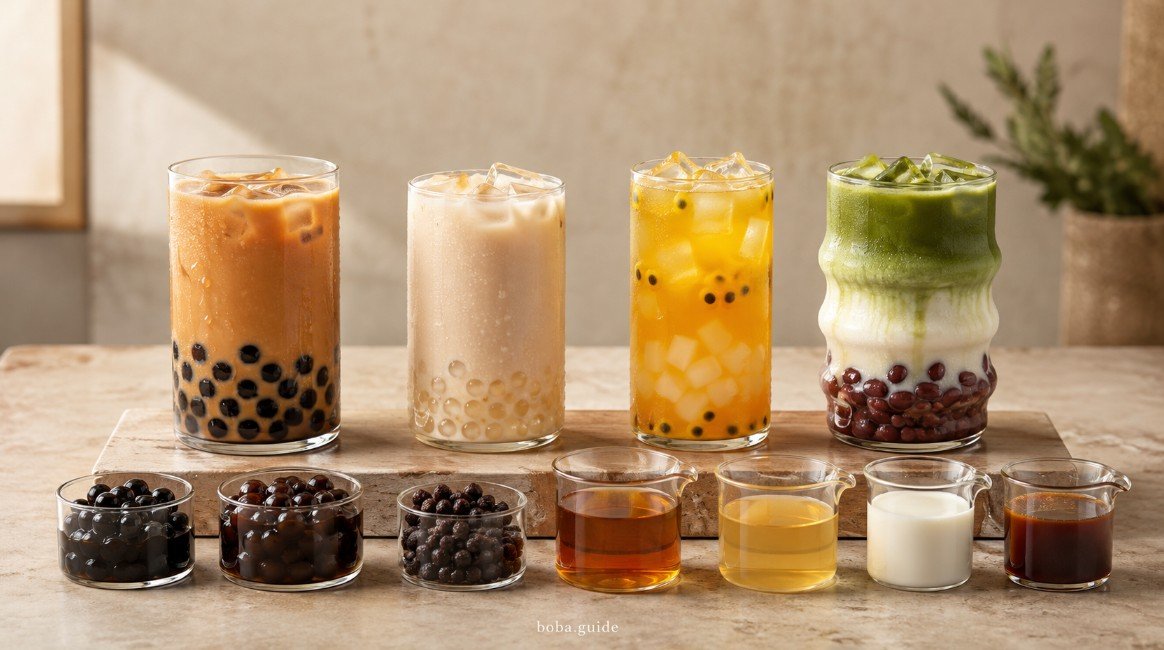
High-quality boba should taste deliberate from the first sip to the last. The tea should still be recognizable, the sweetness should support rather than erase it, the toppings should feel fresh and correctly cooked, and the final drink should remain balanced even as the ice melts.
This guide shows how to evaluate a drink without relying on branding, social media hype or appearance alone. It also separates true quality problems from personal preference. A strong roasted oolong is not automatically “better” than a light jasmine tea, and a chewy pearl is not automatically stale just because someone prefers softer toppings. Quality is about whether the drink delivers its intended style cleanly, consistently and safely.
What “good boba quality” actually means
Boba quality is not one single trait. It is the result of several systems working together: brewed tea, milk or fruit base, sweetener, ice, topping preparation, holding time, mixing and service. A drink can have excellent tea but poor pearls. It can have beautiful pearls but weak tea. It can use premium ingredients and still taste unbalanced because the recipe is too sweet or too diluted.
The most useful way to judge quality is to ask whether each component is doing its job. The tea should provide aroma, structure and a recognizable flavor. Milk should soften or enrich without flattening everything. Fruit should taste bright rather than syrupy or medicinal. Ice should chill the drink without immediately turning it watery. Toppings should contribute texture without feeling stale, hard, slimy or inconsistent.
A high-quality drink usually feels coherent. You can identify what it is trying to be, and every component supports that goal. A brown sugar fresh milk can be rich and dessert-like while still avoiding a burnt, greasy or one-dimensional finish. A jasmine fruit tea can be light and floral without tasting like flavored water. A taro drink can be creamy without becoming powdery or chalky.
The tea base should still be noticeable
Tea is the structural core of many boba drinks. Even when milk, fruit, sugar and toppings are added, the tea should usually contribute something recognizable: malt from black tea, roasted depth from oolong, floral aroma from jasmine, fresh bitterness from matcha or a lighter grassy edge from green tea.
Weak tea is one of the most common quality problems because it makes the entire drink depend on sugar and flavoring. If the tea disappears after the first sip, the drink may taste pleasant but flat. It often becomes less enjoyable as the ice melts because there is no real base flavor left to carry the cup.
Well-brewed tea
Clear aroma, recognizable tea character and enough strength to remain present after milk, ice or fruit is added.
Harsh tea
Drying bitterness, roughness or a burnt edge that remains after swallowing and overwhelms the rest of the drink.
Thin tea
Very little aroma, weak color for the style and a watery finish that depends mostly on syrup or milk.
Strength is not the same as bitterness
A strong tea can be bold without being unpleasant. Assam can taste malty and brisk. Roasted oolong can feel deep and toasted. Matcha can be assertive and slightly bitter. Problems begin when the bitterness feels rough, stale, burnt or disconnected from the style of the drink.
Temperature and steeping time matter. Tea that is brewed too hot or held too long may become astringent. Tea that is brewed too lightly may disappear under dairy and ice. A quality shop adjusts extraction to the final recipe instead of brewing every tea the same way.
Useful comparison: taste the first sip before shaking or stirring heavily. If the liquid already tastes mostly like sugar, cream or artificial flavor, the tea is unlikely to become more noticeable later.
Balance matters more than maximum sweetness or richness
A balanced drink does not mean a low-sugar drink. It means the sweetness, milk, tea, flavor and topping level fit the intended style. Dessert boba can be very sweet and still feel balanced if the tea has enough structure, the salt and dairy notes are controlled, and the syrup does not coat the mouth aggressively.
Problems appear when one component erases the others. Too much sweetener can make jasmine, green tea and fruit taste generic. Too much creamer can turn black tea or oolong into a heavy, dull liquid. Too much ice can dilute the drink quickly, while too little ice in a recipe designed for shaking may leave it warm and overly concentrated.
Each sip changes slightly but stays coherent
You may notice tea first, then milk, then topping sweetness. The parts are distinct, but they still taste like one drink.
One note controls the whole cup
Every sip tastes like syrup, creamer, powder or melted ice, with little room for tea, fruit or topping texture.
Judge the middle of the cup, not only the first sip
The first sip can be misleading because syrup and toppings often settle at the bottom. A drink may start extremely sweet, become balanced after mixing and then turn watery near the end. Quality is easier to judge after the drink has been mixed properly and chilled for a few minutes.
When comparing shops, use the same sweetness and ice settings when possible. A 100% sweet drink at one shop cannot be fairly compared with a 30% sweet drink at another. The same is true for toppings: a large serving of warm pearls can change temperature, sweetness and dilution more than people realize.
Tapioca pearls reveal a lot about freshness and timing
Tapioca pearls are one of the clearest signals of operational quality because their texture changes quickly. Freshly cooked pearls should generally feel tender and elastic, with a consistent center and a surface that is glossy rather than dry. They should not dissolve into paste, but they also should not feel like hard rubber.
The exact ideal texture depends on the shop and recipe. Some places serve softer pearls, while others prefer a firmer chew. Personal preference matters. The real quality question is whether the pearl texture is intentional and consistent from the outside to the center.
Fresh and properly cooked
Soft enough to bite comfortably, elastic rather than brittle, evenly cooked and lightly coated with syrup.
Undercooked
A hard or chalky center, sharp resistance when bitten and a texture that feels dry inside even when the surface is soft.
Overcooked
Swollen, overly soft pearls that collapse, smear or lose their round shape with very little pressure.
Held too long
A firm, rubbery surface, dry edges or a center that becomes dense as the pearls cool and lose moisture.
Warm pearls in a cold drink are not automatically a problem
Fresh pearls are often held warm before service. When added to an iced drink, they can create a temperature contrast that many people enjoy. The issue is not warmth itself. The issue is whether the pearls make the drink lukewarm, melt too much ice or continue cooking until their texture deteriorates.
Brown sugar pearls may be softer and sweeter because they are served with warm syrup. Mini pearls may feel firmer because of their smaller size. Pearls in slushes often harden faster because of the lower temperature. These differences should be evaluated within the intended recipe.
Other toppings have their own quality signals
Not every topping should be judged by the standard of tapioca. Crystal boba, popping boba, jelly, aloe, pudding and red bean are designed to create different textures. The key is freshness, consistency and a clean flavor that matches the drink.
| Topping | Good quality signs | Possible problems |
|---|---|---|
| Crystal boba | Translucent, springy, lightly sweet and easy to bite. | Very tough, dry, cloudy or strongly chemical-tasting. |
| Popping boba | Thin outer shell, clean burst and fruit flavor without bitterness. | Rubbery shell, leaking pearls or artificial aftertaste. |
| Jelly | Clean cuts, consistent chew and flavor that supports the tea or fruit base. | Slimy surface, mushy pieces, dried edges or uneven sizes. |
| Aloe | Juicy, soft pieces with a fresh, lightly sweet taste. | Stringy texture, metallic flavor or excessive syrup. |
| Pudding | Smooth, custardy texture and a clean dairy or egg flavor. | Watery separation, graininess, skin formation or sour notes. |
| Red bean | Tender beans that hold shape and taste naturally sweet. | Dry centers, hard skins or a fermented smell. |
Consistency matters within each serving. A cup filled with both very soft and very hard jelly pieces suggests uneven holding or preparation. A few broken popping pearls may happen, but a cup with mostly leaking pearls indicates poor handling or old stock.
Temperature and ice affect flavor more than they seem to
Cold suppresses sweetness and aroma. As a drink warms, sugar and flavoring become more noticeable. That means the same cup can taste balanced at the beginning and overly sweet ten minutes later. A quality recipe anticipates this change.
Ice should chill the drink quickly without turning it into flavored water. Large, solid ice melts more slowly than crushed ice. Shaken drinks may need enough ice to create aeration and proper texture. Slushes need a stable frozen consistency rather than large chunks floating in melted liquid.
Too warm
Milk tea can feel heavy, syrupy or flat. Pearls may continue softening and the drink loses contrast.
Too cold
Pearls may harden, matcha aroma can disappear and subtle tea notes may become difficult to detect.
Well controlled
The drink is refreshing, the topping texture remains pleasant and the flavor survives gradual dilution.
A cup with no ice is not automatically higher quality. Some recipes are mixed and portioned for ice. Removing it can make the drink stronger, warmer and sweeter than intended. If you prefer less ice, ask whether the shop adjusts the recipe or simply leaves empty space.
Fresh milk, creamers and plant-based options should taste clean
Milk quality is not only about whether a shop uses fresh dairy. Many classic milk tea styles use non-dairy creamer because it creates a particular body, color and stability. That can be intentional and high quality. The problem is when the creamer tastes greasy, powdery, stale or excessively artificial.
Fresh milk should taste clean and neutral unless the recipe uses a richer milk intentionally. Plant-based milks should complement the tea without separating heavily or adding a stale nut or cereal flavor. Oat milk can soften tannins but may make a drink feel thick. Coconut milk can dominate delicate jasmine or green tea. Soy can add a noticeable bean flavor. These are recipe choices, not automatic defects.
Fruit acids can cause dairy or some plant milks to separate. A small amount of fine separation is not always unsafe, but it can indicate poor recipe design if the drink looks curdled, feels grainy or develops a sour dairy smell.
Artificial flavor is not the same as poor flavor
Many boba drinks use syrups, powders, concentrates or flavor extracts. These ingredients can produce consistent, enjoyable drinks. Quality depends on how they are used. A well-made taro drink from powder can taste smooth, fragrant and balanced. A poorly made drink from fresh ingredients can still taste dull or unstable.
Artificial flavor becomes a quality issue when it dominates the cup with a chemical, perfumed, medicinal or candy-like aftertaste that does not fit the recipe. Fruit drinks should retain some brightness and acidity. Floral drinks should smell aromatic without resembling soap. Brown sugar should taste caramelized without becoming burnt and bitter.
Appearance can mislead you
Bright color does not automatically mean low quality, and muted color does not guarantee natural ingredients. Matcha can vary from vivid green to olive depending on grade, preparation and lighting. Taro can be pale gray, beige or purple depending on ingredients. Judge the aroma, texture and flavor before deciding based on color alone.
Clean assembly affects the entire experience
Even excellent ingredients can be undermined by careless assembly. A cup that is not sealed properly, a sticky exterior, a damaged lid or a straw with residue can make the drink feel low quality before the first sip. Clean service also helps preserve the intended flavor by preventing contamination from syrups, powders or toppings used in other drinks.
Layered drinks should look intentional. Some separation is expected in fresh milk, matcha and brown sugar drinks. However, large unmixed clumps, powder pockets or syrup trapped in one area may indicate rushed preparation. Shaking or stirring can solve normal separation, but it cannot fix undissolved powder or spoiled ingredients.
Good assembly
Clean cup, secure lid, correct straw, even topping portion, enough mixing and no sticky residue on the outside.
Poor assembly
Leaking seal, crushed cup, syrup on the lid, topping trapped in the straw opening or obvious powder clumps.
How to evaluate a boba shop before ordering
You cannot see every preparation step, but a few visible signals can help. Look for a clean service area, organized topping containers, staff who handle cups and ingredients carefully, and a steady flow of orders that suggests ingredients are being used regularly rather than sitting for long periods.
A long menu is not automatically a warning sign, but it can make consistency harder. Shops that offer dozens of bases, powders, fruits and toppings need strong systems to keep everything fresh. A smaller menu can be excellent because it allows tighter control, but only if the shop executes those drinks well.
Watch the topping station
Containers should look covered, orderly and free from dried residue around the edges.
Notice the tea workflow
Fresh tea aroma, labeled pitchers and regular brewing are better signs than one large container sitting all day.
Check menu clarity
Clear categories and customization options usually indicate that the shop understands how its recipes are built.
Ask one practical question
Staff should be able to explain the tea base, sweetness level or topping texture without guessing.
For a broader guide to categories, sugar, ice and toppings, use the Boba Menu Guide. Understanding the structure of the menu makes it easier to separate recipe style from execution quality.
How to check the drink after you receive it
Start by looking at the seal and cup. Then smell the drink near the straw opening. A clean tea, milk or fruit aroma should be noticeable. Mix the drink according to its style. Layered matcha, brown sugar and fresh milk drinks usually need stirring. Fruit teas may need a gentle shake if pulp or syrup has settled.
Take one sip without toppings if possible. This tells you whether the liquid base is balanced. Then try the topping separately. Finally, taste them together. This three-step check prevents a very sweet topping from hiding weak tea or a strong syrup from disguising stale pearls.
Separate personal preference from a real quality problem
Not liking a drink does not always mean it is badly made. A roasted oolong can taste too smoky for someone who prefers floral tea. Traditional tapioca can feel too chewy for someone who likes crystal boba. Matcha can taste too earthy for a person expecting a sweet dessert drink.
A true quality problem is usually more objective: inconsistent pearl centers, sour milk, stale odor, powder clumps, leaking packaging, severe dilution, burnt syrup or a recipe that does not match its description. Preference is about style. Quality is about execution.
Preference
“I do not enjoy strong tea, chewy pearls or floral flavors.”
Quality concern
“The pearls are hard inside, the milk smells sour or the drink is mostly melted ice.”
Quality control for homemade boba
At home, quality improves when each component is prepared separately and combined only when ready to serve. Brew tea strong enough for dilution. Chill it quickly instead of leaving it warm for hours. Cook pearls close to serving time. Taste sweeteners before adding the full amount. Keep milk and prepared toppings refrigerated when appropriate.
The easiest mistake is trying to fix everything in the final cup. If the tea is weak, more syrup will not create structure. If the pearls are undercooked, soaking them longer in sugar will not remove the hard center. If the matcha is clumpy, shaking it with milk may hide some lumps but will not create a smooth suspension.
Prepare a strong base
Brew tea with the final amount of milk and ice in mind.
Taste every component
Check tea, syrup, milk and toppings before assembly.
Control timing
Cook pearls close to serving and avoid long holding periods.
Measure once, then adjust
Use a repeatable starting ratio so improvements are easier to track.
Serve immediately
Freshly assembled boba usually tastes and feels best within a short window.
For practical homemade drink ideas, see the Boba Recipes collection. For choosing the right tea base, compare black tea, oolong, jasmine, green tea and matcha in the Tea for Boba guide.
Simple tools that improve consistency at home
You do not need professional equipment, but a few basic tools make quality easier to repeat. A small digital scale helps with tea and powders. A timer prevents accidental over-steeping. A fine whisk or shaker improves matcha and milk tea texture. A wide straw lets you evaluate toppings without forcing pieces through a narrow opening.
Affiliate disclosure: We may earn a commission from qualifying purchases.
A practical scoring method for comparing boba shops
When comparing shops, use the same type of drink and similar customization settings. A classic black milk tea with tapioca at 50% sweetness is a useful benchmark because it reveals tea strength, milk balance, pearl freshness and ice control at the same time.
| Category | Questions to ask | Weight |
|---|---|---|
| Tea | Can you identify the tea? Is it aromatic, clean and strong enough? | 30% |
| Toppings | Are they fresh, consistent and appropriate for the drink? | 25% |
| Balance | Do sugar, milk, flavor and ice support one another? | 25% |
| Temperature | Does the drink stay enjoyable as it sits? | 10% |
| Assembly | Is the cup clean, sealed and mixed correctly? | 10% |
This is not a scientific score. It is a consistent framework that helps you remember why one drink impressed you and another did not. You can adjust the weights based on your priorities. Someone who orders fruit tea without toppings may care more about tea and fruit balance than pearl texture.
Quality and safety overlap, but they are not identical
A stale-tasting pearl may be unpleasant without being dangerous. A beautifully textured topping can still be a choking risk for someone who has difficulty chewing or swallowing. A sour milk smell is both a quality and possible safety concern. Good judgment requires knowing which issue you are dealing with.
Discard a drink if it has a clearly spoiled odor, unexpected fermentation, leaking or damaged packaging, visible mold, curdling that does not match the recipe, or ingredients that have been left at unsafe temperatures. For a fuller explanation of choking, allergens, storage and safer choices, read the Boba Safety guide.
The complete boba quality checklist
Consistency across visits is part of quality
One excellent cup can be luck. A reliable shop should be able to reproduce the same drink on different days, during quiet hours and during a rush. Small variations are normal because tea, fruit, ice and pearl holding times change, but the overall identity of the drink should remain stable.
Consistency depends on recipes, training and workflow. Staff need clear measurements for tea, syrup, milk and toppings. Tea should be brewed in controlled batches. Pearls should be cooked and replaced on a schedule. Ice and cup sizes should match the recipe. When these systems are weak, the same order may taste strong one day, watery the next and excessively sweet after that.
To test consistency fairly, order the same drink with the same sugar, ice and toppings at least twice. Avoid comparing a busy weekend evening with a quiet weekday morning without considering service pressure. If the tea strength and topping texture vary dramatically every time, the problem is probably not your palate.
Recipe consistency
The sweetness, milk level and tea strength stay within a recognizable range.
Texture consistency
Pearls and jelly maintain a similar bite instead of changing from soft to hard without explanation.
Service consistency
Cups are sealed, clean and correctly labeled even when the shop is busy.
Seasonal fruit drinks may vary more because fresh fruit changes in acidity and sweetness. That is not automatically a defect. A good shop compensates by adjusting syrup, tea or fruit quantity rather than allowing the recipe to swing wildly. Matcha can also vary by batch, but it should still be whisked smoothly and portioned consistently.
Delivery and takeaway create different quality challenges
A drink that tastes excellent at the counter may arrive differently after twenty or thirty minutes. Ice melts, foam collapses, pearls cool and fruit pulp settles. Delivery quality therefore depends on packaging and recipe choices as much as the original preparation.
Shops can protect quality by using secure seals, sturdy cups, separate toppings when appropriate and enough tea strength to survive some dilution. Slushes, cheese foam drinks and warm pearls are especially sensitive to travel time. A long trip may turn a frozen drink into a thin liquid or make pearls firm before the customer opens the cup.
| Drink type | Main travel risk | Better choice for delivery |
|---|---|---|
| Milk tea with pearls | Pearls cool and harden while ice dilutes the tea. | Moderate ice, strong tea and pearls packed separately for long trips. |
| Fruit tea | Pulp settles and acidity may become sharper as the drink warms. | Secure seal, enough ice and instructions to shake before drinking. |
| Slush | Rapid melting and separation. | Short travel time or pickup close to serving. |
| Cheese foam | Foam sinks, warms or mixes unintentionally. | Separate foam container when the shop offers it. |
When reviewing a delivered drink, separate shop quality from travel damage. A leaking seal or crushed cup is a packaging problem. Hardened pearls after a very long trip may be partly unavoidable. If delivery is your main way of ordering, choose recipes that tolerate time better, such as strong milk tea without delicate foam or a chilled fruit tea with jelly instead of warm tapioca.
Common defects and what they usually indicate
Recognizing patterns makes quality easier to diagnose. A single off-note can have several causes, so these are clues rather than absolute conclusions. The most reliable judgment comes from combining aroma, taste, texture and appearance.
| Defect | Likely cause | Can mixing fix it? |
|---|---|---|
| Hard pearl center | Undercooking or pearls that cooled too much. | No. |
| Powder clumps | Poor whisking or incorrect mixing temperature. | Sometimes partially. |
| Watery finish | Weak tea, excessive ice or warm ingredients. | No. |
| Burnt sweetness | Overcooked brown sugar syrup or scorched caramel. | No. |
| Greasy coating | Too much creamer or poorly dissolved fat. | Rarely. |
| Perfumed aftertaste | Excess flavoring or poorly balanced floral syrup. | Only if syrup settled unevenly. |
If a drink has multiple defects at once, such as weak tea, hard pearls and poor sealing, the issue is likely broader than one recipe mistake. That is useful information when deciding whether to reorder, choose a simpler drink or try another shop.
Use quality checks to choose your next drink
Quality becomes easier to judge when you understand how different drink families are supposed to taste. Compare menus, tea bases, recipes and local shop options before deciding whether a problem comes from the recipe style or the execution.
Frequently asked questions about boba quality
How can I tell if tapioca pearls are fresh?
Fresh pearls are usually soft, elastic and evenly cooked. They should not have a hard chalky center, dry edges or a rubbery surface. Texture varies by shop, but consistency from the outside to the center is a strong sign of good preparation.
Are warm tapioca pearls a sign of good quality?
Warm pearls can indicate recent cooking, especially in brown sugar drinks, but warmth alone does not prove freshness. They should still have a pleasant texture and should not make the entire drink lukewarm or melt most of the ice.
Why does my boba drink taste watery?
Common causes include weak tea, too much ice, slow drinking, warm ingredients that melt the ice quickly or a recipe that was not adjusted after reducing sweetness. A balanced drink should retain some flavor even as dilution increases.
Why do tapioca pearls become hard?
Pearls can harden as they cool, lose moisture or sit in a very cold drink. Long holding times also make the texture denser. Slushes and extra-ice drinks may harden pearls faster than regular milk tea.
Is bright color a sign of low-quality boba?
Not necessarily. Some syrups, powders and fruit bases are naturally vivid or intentionally colored. Quality should be judged by aroma, texture, balance and aftertaste rather than color alone.
Should milk tea always taste strongly of tea?
Tea should usually remain noticeable, but the desired strength depends on the style. A robust Assam milk tea should be more tea-forward than a dessert-style taro or brown sugar fresh milk drink.
What causes powder clumps in boba drinks?
Powders may clump when they are added at the wrong temperature, mixed too quickly or not whisked before combining with milk and ice. Clumps suggest poor mixing even if the ingredients themselves are fresh.
Is non-dairy creamer lower quality than fresh milk?
No. Non-dairy creamer is part of many traditional milk tea styles and can create a smooth, stable texture. It becomes a quality problem only when it tastes stale, greasy, powdery or overwhelms the tea.
How long should a boba drink stay good?
Boba is generally best soon after preparation because ice melts and toppings change texture. Drinks containing milk or perishable toppings should not be kept at room temperature for long. Follow safe storage guidance and discard anything with spoilage signs.
Can a very sweet drink still be high quality?
Yes. Dessert-style drinks can be intentionally sweet. The question is whether tea, salt, dairy, texture and aroma still create balance, rather than leaving only a heavy syrup taste.
What is the best drink for comparing boba shops?
A classic black milk tea with tapioca at the same sweetness and ice level is a useful benchmark. It tests tea strength, milk balance, pearl freshness and overall assembly in one cup.
How do I know whether I dislike the style or the quality?
Ask whether the drink matches its description and whether each component is prepared consistently. Disliking roasted tea or chewy pearls is preference. Sour milk, hard centers, stale odor or severe dilution are quality concerns.