
Fresh Milk Boba: What It Is, How It Tastes and How to Order It
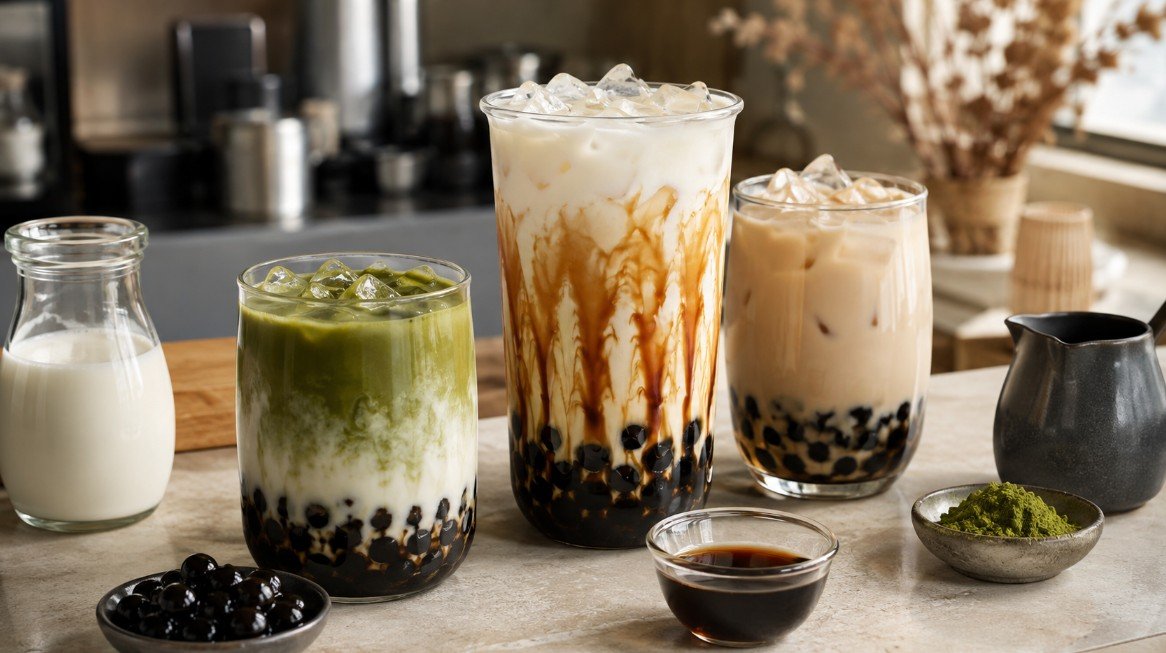
Fresh milk boba is a milk-centered boba drink made with fresh milk and a pearl topping, usually chewy tapioca. Unlike classic milk tea, it does not always need brewed tea as its main base. Brown sugar syrup, matcha, taro-style flavors or brewed tea can be added, but fresh milk remains a defining part of the drink.
The easiest way to understand the style is to compare its priorities. In milk tea, tea usually provides the main flavor structure and milk softens it. In fresh milk boba, the milk itself supplies much of the body and creaminess, while syrup, flavor and toppings build around that softer base.
That is why fresh milk boba can range from a simple milk-and-tapioca drink to a dramatic brown sugar cup or a layered matcha version. The category is flexible, but the central idea stays the same: milk first, then pearls and flavor.
Fresh milk boba puts milk at the center of the drink
The phrase “fresh milk boba” usually tells you two things. First, the drink uses fresh milk as an important liquid component rather than relying only on a powdered creamer or a conventional milk-tea formulation. Second, boba pearls are part of the drink or its expected topping.
What the phrase does not tell you is that every cup follows one recipe. Some fresh milk boba drinks contain no brewed tea. Others combine fresh milk with black tea, oolong, matcha or another flavor. Some are lightly sweet; others depend heavily on brown sugar syrup.
The main source of body and creaminess.
Usually cooked tapioca with a chewy bite.
Brown sugar, matcha, tea and other additions shape the final style.
This makes fresh milk boba one branch of the wider category described in our guide to what boba is, rather than a synonym for every milk-based bubble tea.
Fresh milk boba and milk tea with boba are related, but they are not automatically the same drink
Brewed tea usually supplies the main flavor structure. Milk, creamer or another creamy component softens the tea, and pearls are added as a topping.
Fresh milk supplies much of the body of the drink. Tapioca, syrup, matcha or tea can be added around it, and brewed tea may be absent.
The overlap happens when a shop makes fresh milk tea with pearls. That drink still contains a clear tea component, but it uses fresh milk as the creamy ingredient. A plain brown sugar fresh milk boba, by contrast, can be built around milk, syrup and tapioca without functioning as a conventional tea-based milk tea.
If you want the tea-centered style, see our complete guide to milk tea with boba.
Fresh milk boba can contain tea, but tea is not required
This is one of the easiest places to get confused. Because boba is strongly associated with bubble tea, many people assume every boba drink must begin with brewed tea. Modern menus are broader than that.
Milk and syrup carry the drink while the pearls provide texture.
Matcha adds earthy tea character without functioning like a conventional brewed black or oolong tea base.
Tea joins the fresh milk and becomes a clear flavor component.
The menu name usually provides the clue. “Fresh milk,” “brown sugar fresh milk” or a similar milk-centered name may indicate a non-tea drink. “Fresh milk tea” explicitly signals that tea is part of the formula.
Fresh milk boba is built from a few components that can change independently
Fresh milk
The milk creates opacity, body and a clean creamy flavor. Because it is more neutral than a strong tea base, other ingredients can stand out sharply against it.
Boba pearls
Traditional black tapioca pearls provide chew and often carry some syrup sweetness of their own. Their texture becomes a major part of the drink because the milk is relatively smooth and soft.
Sweetener or syrup
Brown sugar is especially common, but not universal. Syrup can flavor the pearls, the liquid or both, depending on how the drink is assembled.
Optional tea or flavor
Matcha, roasted oolong, taro-style flavor or another addition can turn the same milk-and-pearl foundation into a very different drink.
Ice and temperature
Cold service makes fresh milk boba especially refreshing, but ice also changes dilution and how quickly the components blend together.
The pearls themselves are a separate prepared topping, not raw starch added directly to the milk. For their ingredients and texture, see what boba pearls are.
The base is creamy and mild, so syrup, tea and toppings become especially noticeable
A plain fresh milk boba style tends to feel smoother and more milk-forward than classic black milk tea. The dairy flavor is direct, the liquid can feel softer on the palate, and the tapioca creates a strong contrast because you move from a smooth sip to a chewy bite.
Milk leads, while the pearls supply most of the texture.
Dark syrup can become one of the dominant flavors.
Matcha adds vegetal bitterness and aromatic depth.
Tea adds aroma while fresh milk keeps the texture soft.
Fresh milk does not automatically make the drink mild in sweetness. A generous amount of brown sugar syrup or sweetened pearls can turn a milk-centered cup into one of the richer choices on the menu.
Milk affects body, aroma, sweetness perception and how strongly other flavors appear
Milk gives the liquid weight without needing the stronger flavor of a brewed tea concentrate.
The soft liquid makes the chewy tapioca stand out physically.
Brown sugar, matcha and roasted tea can appear dramatic against a mild milk background.
Dark syrup and green matcha show clear contrast against opaque milk.
This is also why fresh milk boba can feel very different from a creamer-heavy milk tea even if both drinks are pale and creamy. Similar color does not mean identical ingredients, body or aroma.
Brown sugar fresh milk boba lets the pearls and syrup become the main flavor event
Brown sugar fresh milk boba is one of the clearest examples of a milk-first drink. Cooked tapioca pearls are paired with dark brown sugar syrup, and fresh milk is added around them. Tea may be absent.
The result can taste deeply caramel-like, milky and chewy. Instead of tea bitterness balancing the sweetness, the main contrast comes from cool milk against concentrated syrup and warm or room-temperature pearls.
The chewy base.
Deep sweetness and caramel character.
Creaminess and contrast.
The dark streaks sometimes seen along the inside of the cup come from syrup against the lighter milk. They can create a striped or marbled effect, but the visual pattern is presentation rather than proof of one exact recipe.
A shop can also make a brown sugar milk tea where brewed tea is genuinely part of the base. The words after “brown sugar” matter. Brown sugar fresh milk and brown sugar milk tea can overlap in sweetness and tapioca, but they are not automatically the same drink.
Fresh milk boba can move from earthy matcha to roasted tea without losing its milk-centered identity
Matcha fresh milk with boba
Matcha adds earthy, vegetal and lightly bitter notes that cut through the milk. The green-and-cream layering can look dramatic, but the important difference is flavor: matcha gives the drink much more aromatic character than plain fresh milk.
Oolong fresh milk tea with boba
This is a useful bridge between fresh milk boba and classic milk tea. Roasted or aromatic oolong supplies clear tea flavor, while fresh milk creates the creamy body.
Black tea with fresh milk and pearls
A stronger black tea can create a more traditional milk-tea profile even when the shop specifically emphasizes fresh milk as the creamy ingredient.
Taro-style and other milk-centered drinks
Some menus build fresh-milk beverages around flavored powders, pastes or syrups. Their exact ingredients vary widely, so the menu description matters more than assuming every pastel milk drink follows one formula.
Fresh milk boba is therefore better understood as a construction style than as one flavor. For the wider beverage landscape, see our boba drinks guide.
A milk-centered drink is not identical to creamer-based milk tea
Fresh milk and creamer can both produce a pale, creamy-looking drink, but they behave differently. Fresh milk brings recognizable dairy flavor and its own natural balance of water, fat, protein and milk sugar. Creamers are formulated products that can create a different body and flavor profile.
Often tastes cleaner and more recognizably dairy-forward.
Can produce a fuller or more uniform shop-style creaminess depending on the product and recipe.
One is not automatically superior to the other. They create different drinks. If a menu specifically says “fresh milk,” that wording is useful because it tells you something about the intended base rather than merely describing the drink as creamy.
Alternative milks can create similar drink structures, but the menu name may change
If dairy milk is replaced with oat, soy or another plant-based option, the drink can still follow the same milk-centered logic: alternative milk, pearls, syrup and optional flavor. However, calling it “fresh milk” may no longer be technically precise because many menus use that phrase specifically for fresh dairy milk.
The substitution also changes flavor and texture. Oat can add cereal-like sweetness and body, soy has its own recognizable aroma, and other alternatives behave differently again.
Availability, allergens and preparation practices vary by shop, so use the actual menu information when a dietary restriction matters. Our boba dietary guide covers those questions in more depth.
Fresh milk itself is not the same thing as a low-sugar boba drink
Fresh milk contains naturally occurring milk sugar, but the much larger sweetness impression in many fresh milk boba drinks comes from added ingredients.
Cooked tapioca may already be sweetened before it enters the cup.
Can become a major part of both flavor and appearance.
Matcha mixes, taro-style preparations or flavored syrups may add their own sweetness depending on the recipe.
This is why “0% sweetness” can be complicated on some menus. A shop may be able to remove adjustable syrup from the liquid while still using pre-sweetened pearls or another prepared component that cannot be made unsweetened for a single order.
Plain fresh milk boba can be caffeine-free, while matcha and tea versions are not
Neither plain milk nor traditional tapioca requires caffeine.
Matcha is tea and naturally contributes caffeine.
Black, green, jasmine or oolong tea changes the caffeine profile.
The pearls are not the deciding factor. To understand caffeine, look at the liquid base and flavor ingredients. For the broader nutrition picture, including sugar and serving-size differences, see the boba nutrition guide.
Fresh milk boba is commonly served cold, but temperature changes the experience
Ice keeps the milk refreshing and makes brown sugar or matcha layers especially clear. As the ice melts, it also changes dilution.
Warm service can make tapioca feel softer and reduce the dramatic contrast between cold milk and syrup, although availability depends on the shop.
First identify the drink base, then decide how much flavor and sweetness you want around it
Check whether the drink contains tea
If you want milk without brewed tea, look for fresh milk or brown sugar fresh milk wording. If you want tea too, look for fresh milk tea, oolong fresh milk or another explicit tea name.
Choose the flavor direction
Brown sugar is richer and caramel-like, matcha is earthy, and tea-infused versions bring more aroma and bitterness.
Confirm the milk
If dairy or a plant-based alternative matters, check what the shop actually uses rather than relying only on the category name.
Choose sweetness and ice
Remember that syruped pearls can stay sweet even if the adjustable liquid sweetness is reduced.
Confirm the pearls
Some signature drinks include tapioca automatically, while others require the topping to be selected separately.
Choose your fresh milk boba by how much sweetness and tea character you want
A rich introduction where milk, syrup and pearls are all easy to recognize.
A better fit if you like matcha bitterness and want more flavor contrast.
Choose this if you want fresh milk but still want tea to be obvious.
Useful if you want the milk and tapioca to lead instead of brown sugar.
If you are comparing this style with fruit tea, milk tea and other menu families, Choose Your Boba gives you a wider decision path.
Fresh milk boba, brown sugar fresh milk and pearl milk tea are not interchangeable labels
Fresh milk does not automatically make the finished drink lighter or lower in sugar
Fresh milk changes the ingredient profile, but it does not tell you the nutrition of the whole cup. A lightly sweetened fresh milk drink with a modest topping portion can be very different from a large brown sugar fresh milk loaded with syrup and tapioca.
Total calories, sugar and carbohydrate depend on serving size, milk amount, syrup, pearl portion and any added flavor preparations. “Fresh” in the name should therefore be read as an ingredient or style clue, not as a nutrition claim.
A strong cup keeps the milk clean, the pearls fresh and the syrup under control
The milk should taste fresh and intentional rather than watery or stale.
Tapioca should not have a hard center or collapse into mush.
Brown sugar should support the milk and pearls rather than making the whole cup taste one-dimensionally sweet.
An added flavor should have enough character to survive the milk.
The topping, liquid and sweetness should feel designed to work together.
For a broader tasting framework, see our boba quality guide.
Start with milk, then choose the path around it
Questions about fresh milk boba
What is fresh milk boba?
Fresh milk boba is a milk-centered boba drink made with fresh milk and a pearl topping, usually tapioca. Syrup, matcha, brewed tea or other flavors may also be added depending on the drink.
Does fresh milk boba have tea?
Not always. Brown sugar fresh milk with tapioca can be made without brewed tea, while fresh milk tea, oolong fresh milk and similar drinks do contain tea.
Is fresh milk boba the same as milk tea?
No. Milk tea is normally tea-centered, with milk added to the brewed tea. Fresh milk boba can be milk-centered and may contain no brewed tea at all.
What does fresh milk boba taste like?
It is usually creamy and smooth with chewy pearls. Brown sugar versions are richer and caramel-like, matcha versions are earthy, and tea-infused versions can be roasted, floral or malty depending on the tea.
What is brown sugar fresh milk boba?
It is a drink built around fresh milk, cooked tapioca pearls and brown sugar syrup. Tea is not required, which is why it should not automatically be treated as the same thing as brown sugar milk tea.
Does fresh milk boba have caffeine?
It depends on the drink. Plain fresh milk with tapioca can be caffeine-free, while matcha and fresh milk tea contain caffeine from the tea component.
Is fresh milk boba always made with dairy milk?
The phrase “fresh milk” commonly refers to dairy milk, but some shops offer oat, soy or other substitutions. If the milk type matters for dietary reasons, check the specific menu or ask the shop.
Is fresh milk boba very sweet?
It can be, especially when brown sugar syrup and sweetened tapioca are major components. Other versions can be much more restrained. The total sweetness depends on more than the milk itself.
What boba goes best with fresh milk?
Classic black tapioca pearls are the most familiar pairing because their chew and syrup flavor contrast strongly with smooth milk. Other toppings can work too, but they create a different texture and flavor balance.
Is fresh milk boba healthier than milk tea?
Not automatically. Nutrition depends on portion size, milk, added syrup, pearl quantity and other flavor ingredients. Using fresh milk does not by itself determine the calories or sugar in the finished cup.
FRESH MILK BOBA IN ONE IDEA
Fresh milk boba starts with milk rather than assuming tea is the main base. Add chewy pearls, then choose brown sugar, matcha, tea or another flavor path to shape the final drink.