
Cheese Foam Boba: Taste, Tea Pairings, Toppings and How to Drink It
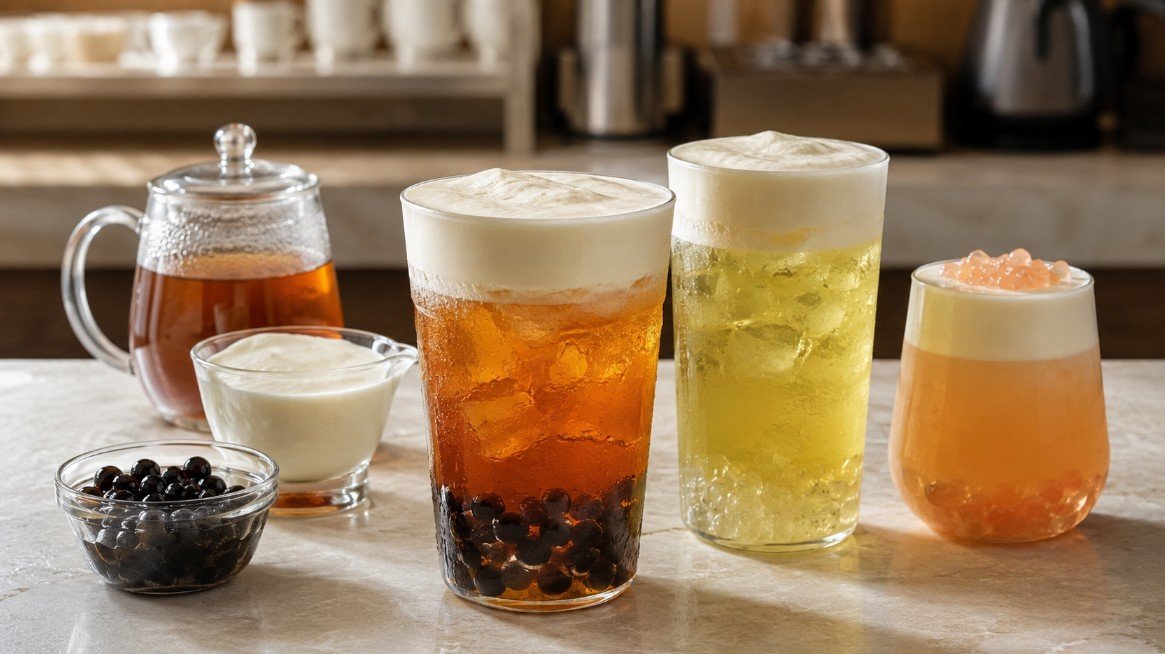
Cheese foam boba is a bubble tea-style drink topped with a smooth, creamy, lightly tangy and usually sweet-salty foam, with boba pearls or another topping added when desired. The foam sits above the drink rather than being mixed through it from the start, so each sip can combine tea, creaminess, saltiness, sweetness and chew in different proportions.
The name can sound stranger than the drink actually tastes. Cheese foam is not a cup full of melted cheese, shredded cheese or cheese chunks. In modern tea shops it is usually a soft dairy-based topping made to behave more like a dense cream cap than a savory food topping. Recipes vary, but the sensory goal is generally smooth, rich and slightly tangy with enough salt to contrast with sweet tea.
That layered structure is what separates cheese foam tea from ordinary milk tea. In milk tea, the creamy component is distributed through the liquid. In cheese foam tea, the base and the topping can remain visibly and sensorially distinct. You can drink them together, partially mix them, or fully blend them depending on the experience you want.
Cheese foam is the top layer, not the beverage base
A cheese-foam drink normally starts with a tea, fruit tea, milk tea or another beverage base. The foam is prepared separately and placed on top. Boba pearls may be added at the bottom, but they are optional rather than required for the cheese-foam concept itself.
Creamy, lightly tangy, sweet and salty.
Black tea, oolong, green tea, jasmine, fruit tea or milk tea can sit underneath.
Tapioca, crystal boba, jelly or another texture can complete the cup.
Because the foam is physically separated at first, the drink changes depending on how you sip it. A direct sip through the top can bring cream and tea together. Stirring changes the same drink into something much more uniform.
The best versions balance creaminess, mild tang, sweetness and a restrained salty edge
Cheese foam is usually richer than ordinary milk foam and less purely sweet than whipped cream. The dairy component gives it body, a cream-cheese-style ingredient can add mild tang, sugar softens the acidity, and salt creates the contrast that makes the topping memorable over tea.
The topping should feel soft and cohesive rather than oily or grainy.
A mild cultured-dairy impression can add depth without tasting spoiled.
Salt should sharpen the contrast with tea and sweetness, not dominate the drink.
The foam often contributes sweetness independently from the tea underneath.
Some versions taste almost cheesecake-like, while others are cleaner and more cream-forward. There is no single universal recipe, so the exact level of tang, sweetness and salt can vary significantly from one shop to another.
The salty edge is what keeps the foam from tasting like ordinary sweet cream
Salt changes the way the whole drink reads. A small amount can make the foam feel richer, sharpen the contrast with sugar and help the tea underneath feel more defined. This is especially noticeable with roasted oolong, brisk black tea and fruit teas with clear acidity.
The topping can feel generic and dessert-like.
Creaminess and tea become more vivid together.
The topping starts tasting savory instead of integrated.
Cheese foam should not taste like a salty snack. The salt is a supporting flavor, not the point of the topping.
Cheese foam, milk foam and whipped cream can look similar while behaving very differently
Designed to interact with tea as a distinct top layer.
May be lighter and less tangy, although shops sometimes use these terms loosely or interchangeably.
Usually sweeter and more focused on richness than salty-tea contrast.
Terminology is not perfectly standardized. One shop’s “milk cap” may resemble another shop’s cheese foam, while another may use a genuinely lighter milk-based topping. If the exact ingredients matter, the menu name alone may not tell you enough.
One keeps the cream on top; the other distributes it through the drink
Milk or creamer is mixed throughout the tea, so nearly every sip has a similar creamy structure.
The tea stays underneath a separate creamy cap, creating stronger contrast unless you choose to mix it.
Both styles can include tapioca, and both can be rich, but they are not the same experience. For the wider family where milk is part of the liquid itself, see milk tea with boba.
Try the first sips with the foam and tea together before deciding whether to mix
The most distinctive way to drink cheese foam tea is to tilt the cup enough that some foam and some tea reach your mouth at the same time. This lets you taste the contrast the drink was built around: creamy and salty on top, fresh, roasted, floral or fruity underneath.
Do not stir immediately.
Let foam and tea reach the sip together.
Notice how salt and cream change the tea.
Turn the rest of the drink creamier and more uniform.
If the cup has a lid designed for sipping directly from the top, that often makes the layered experience easier. A wide straw can still work, especially when boba is present, but it may pull more of the lower drink than the foam depending on its position.
There is no single correct method because each mixing level creates a different drink
Tea and foam remain clearly separate, so individual sips can shift between bright tea and rich cream.
Some foam moves into the drink while enough remains at the top to preserve contrast.
The foam becomes part of the base, producing something closer in mouthfeel to a very rich milk tea.
For a first cheese-foam drink, keeping the layers intact for at least a few sips gives you more information about what the topping contributes. You can always mix it afterward; reversing a fully mixed drink is impossible.
Strong, aromatic and refreshing tea bases create different kinds of contrast
Roasted or fragrant contrast
Roasted oolong can echo the rich side of the foam with toasted, nutty depth, while fragrant oolong creates a more aromatic contrast. Both work best when the tea is strong enough to stay noticeable beneath the cream.
Brisk and sturdy
Black tea has enough body to support a rich top layer. The result can feel bold, creamy and lightly salty without losing the tea completely.
Fresh and lighter
Green tea gives the foam a fresher backdrop. Vegetal or clean tea notes can make the creamy cap feel more contrasting than it does over milk tea.
Floral and creamy
Jasmine aroma can remain noticeable beneath the foam, creating a fragrant profile that feels less roasted and more perfume-like than oolong or black tea.
Bright, tangy and modern
Fruit acidity and aroma create one of the most dramatic pairings. Grape, peach and other fruit styles can move the drink toward a sweet-tangy creamy contrast.
For a deeper look at one of the strongest tea pairings, see oolong tea boba. If you prefer fresher tea styles, compare green tea boba. Fruit-led versions fit naturally into the wider fruit tea with boba family.
Yes, but the drink becomes much richer because creaminess exists both below and above
Milk tea already has milk or creamer throughout the liquid. Adding cheese foam creates a second creamy layer, so the result is usually heavier than cheese foam over clear tea. This can be appealing if you want a dessert-like drink, especially with tapioca, but the tea has less room to create contrast.
That is why clear oolong, black tea, green tea or fruit tea can sometimes show off cheese foam more clearly. The difference between the lower drink and the top layer is larger, making the topping easier to understand.
No — cheese foam and boba are separate choices that can be combined or used independently
A tea can have cheese foam with no tapioca at all. Likewise, a tea can have tapioca without cheese foam. When both are present, the drink gains three distinct structural zones: creamy foam at the top, liquid tea in the middle and chewy pearls at the bottom.
Adds syrup sweetness and makes the drink more substantial.
Useful when you want chew without the darker caramel-like syrup profile.
Can work especially well with clear tea and fruit-tea bases.
Best suited to fruit-forward cheese-foam combinations rather than every tea style.
Tapioca can be excellent with cheese foam, but stacking foam, pearls, pudding and another rich topping can make the cup feel crowded. For the classic pearl itself, see what boba pearls are. For other textures, use our boba toppings guide.
Lowering the drink sugar does not necessarily make the entire cup lightly sweet
The liquid itself may contain syrup or sweetened fruit ingredients.
The topping can be sweetened independently from the tea.
Prepared tapioca can remain sweet even when the tea is ordered at a lower setting.
This matters because the foam is rich enough to soften tea bitterness even without a highly sweet liquid. If you prefer a tea-forward cup, moderate sweetness can leave more room for the salty-creamy contrast to work.
The foam and the drink base answer different ingredient questions
Cheese foam commonly uses dairy-style ingredients such as cream, milk or a cream-cheese-style component. Plant-based versions may exist, but they need to be confirmed with the shop.
Black tea, green tea, oolong and coffee bases can contribute caffeine. The foam itself does not determine the drink’s caffeine level.
Foam can add fat, sugar and calories, while pearls, syrup and serving size change the final drink further.
If dairy ingredients or substitutions matter, see our boba dietary guide. For sugar, calories and caffeine across drink styles, see boba nutrition.
Cheese foam is most naturally associated with cold drinks because the layer stays distinct and refreshing
Cold tea helps the foam remain cohesive and creates a clean contrast between refreshing liquid and rich top layer.
Warm cheese-foam drinks can exist, but heat changes the foam texture and the way it integrates with the base.
If your main reason for ordering cheese foam is the distinct layered texture, an iced version usually makes that structure easiest to experience.
It should sit on the drink but still flow with a sip
The foam sinks or mixes before you can experience a separate layer.
The foam sits on top yet moves easily enough to meet the tea in each sip.
The topping behaves more like frosting than a beverage foam.
Good foam should also feel smooth and aerated. Graininess, oily separation, curdled texture or unusually large bubbles can indicate a preparation or holding problem.
Choose the tea first, then decide how much extra richness and texture you actually want
Choose the base
Start with oolong, black tea, green tea, jasmine, fruit tea or another drink you already enjoy.
Add cheese foam
Confirm that it is a separate top layer rather than a pre-mixed creamy drink if the menu wording is unclear.
Add boba only if you want chew
Cheese foam tea does not require tapioca, so pearls should be an intentional texture choice.
Set sweetness
Remember that foam and prepared toppings may add sweetness beyond the drink setting.
Choose ice
Cold service usually keeps the layering most distinct.
Taste it before mixing
Try the tea and foam together first, then partially or fully mix only if you prefer a more uniform drink.
Pick the contrast you want to taste most clearly
Clear tea underneath makes the creamy contrast easy to understand.
Bold tea, rich foam and chewy pearls create a full three-layer experience.
A lighter path with fresh tea and restrained chew.
Fruit aroma and acidity make the salty-creamy top feel especially distinctive.
The most dessert-like path, with creaminess both inside and above the drink.
No extra topping, so the floral tea and foam do most of the work.
The foam should stay smooth and distinct while the tea underneath remains recognizable
No curdling, oily separation, graininess or giant bubbles.
Enough to create contrast without turning the topping savory.
A gentle cultured-dairy note is fine; sour or spoiled flavors are not.
The base should survive the richness of the topping.
The foam should not disappear into the drink immediately.
Tapioca should add pleasant chew rather than hard or mushy distraction.
A thick foam is not automatically a good foam. The goal is beverage texture: stable enough to form a layer, soft enough to drink and balanced enough that the tea still matters.
For the broader framework used to judge tea, toppings, freshness and balance, see our boba quality guide.
The same cup can taste different from top to bottom — or become one creamy drink if mixed
Questions about cheese foam boba
What is cheese foam boba?
Cheese foam boba is a bubble tea-style drink topped with a creamy, lightly tangy and usually sweet-salty foam. Tapioca pearls or another topping may be added, but cheese foam tea can also be served without boba.
What does cheese foam taste like?
It usually tastes creamy, mildly tangy, sweet and lightly salty. Some versions feel almost cheesecake-like, while others are cleaner and less sweet. Recipes vary considerably by shop.
Is cheese foam actually cheese?
It can include a cream-cheese-style ingredient, but it is not solid cheese added to tea. The finished topping is a smooth beverage foam made from creamy ingredients, sweetness and usually a small amount of salt.
Is cheese foam salty?
Usually a little. The salt is meant to contrast with sweet tea and creaminess rather than make the topping strongly savory. Excessive saltiness can overwhelm both the foam and the tea.
Should you mix cheese foam into tea?
You can, but you do not have to. Keeping it layered gives the strongest tea-and-foam contrast, partial mixing makes the drink creamier, and full mixing creates the most uniform result.
How do you drink cheese foam tea?
Try sipping so the foam and tea reach your mouth together. Tilting the cup or using a lid designed for direct sipping can help. Taste a few layered sips before deciding whether to stir the rest.
Does cheese foam boba always have tapioca?
No. Cheese foam is a top layer, while tapioca is a separate topping choice. You can order cheese foam over tea with no pearls, or combine the foam with tapioca, crystal boba, jelly or another topping.
Is cheese foam dairy-free?
Do not assume it is. Traditional and modern cheese foams commonly use dairy-style ingredients. Some shops may offer plant-based alternatives, but the recipe should be confirmed when dairy matters.
Does cheese foam boba have caffeine?
The foam does not determine caffeine. A drink based on black tea, green tea, oolong or coffee can contain caffeine, while some fruit or non-tea bases may not.
What tea is best with cheese foam?
There is no universal best choice. Oolong offers roasted or floral contrast, black tea provides structure, green tea feels fresher, jasmine adds fragrance and fruit tea creates a bright sweet-tangy pairing.
CHEESE FOAM BOBA IN ONE IDEA
Cheese foam works because it stays different from the drink underneath. Start with a tea you like, taste the creamy sweet-salty layer with the tea before mixing, and add boba only when you want a third texture in the cup.