
Oolong Tea Boba: Flavor, Milk, Toppings and How to Order
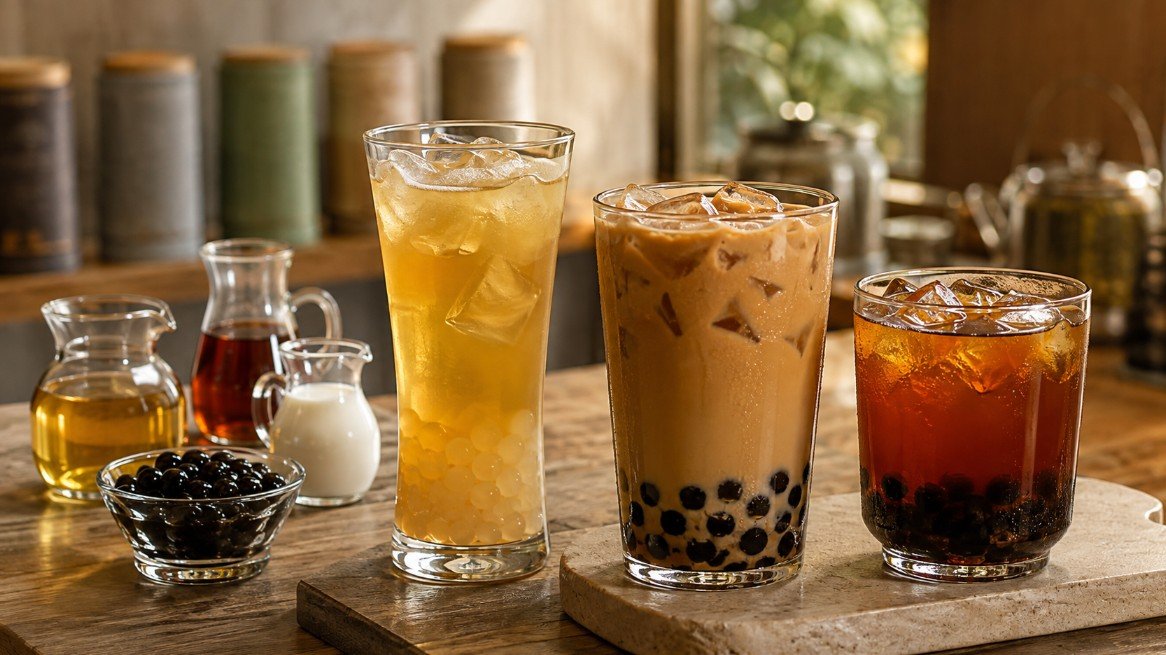
Oolong tea boba is a bubble tea drink built around oolong tea and served with boba or another topping. Unlike a tea style with one narrow flavor identity, oolong spans a wide range. One cup can be floral, fresh and lightly sweet; another can taste roasted, nutty and warm; another may lean fruity or honeyed.
That range is what makes oolong especially interesting in boba. A fragrant oolong can stay clear and delicate with crystal boba or aloe, while a roasted oolong can stand up to milk, brown sugar and chewy tapioca. The tea style changes the entire personality of the drink before milk or toppings are even added.
The best way to choose oolong boba is therefore not to ask whether you “like oolong” in the abstract. Ask whether you want floral, rounded, roasted or richer, then build the drink around that tea profile.
Oolong tea boba starts with the oolong style, then builds the drink around it
The phrase “oolong tea boba” tells you the tea family but not the final flavor. Oolong is a broad category, and production choices such as oxidation, roasting and shaping create dramatically different results. That is why one oolong milk tea can taste creamy and toasted while another clear oolong boba drink feels almost floral and sparkling in aroma.
Fragrant, rounded, roasted, fruity or honeyed depending on style.
The liquid style changes richness without replacing the tea identity.
Tapioca, crystal boba, aloe, jelly or pudding can shift the weight of the drink.
That makes oolong tea boba more useful as a tea-base category than as a single recipe. The core question is not “what goes in oolong boba?” but “which oolong profile is this drink trying to preserve?”
For the full family of tea bases used in bubble tea, see our guide to tea.
The flavor can move from floral and delicate to roasted, deep and honeyed
Oolong is sometimes described as if “roasted” were the only flavor worth mentioning. That misses much of the category. Some oolongs are fragrant and bright, some are rounded and softly sweet, some are deliberately roasted, and some develop ripe fruit or honey-like aromas.
High-mountain-style and other fragrant oolongs can feel lifted, sweet and aromatic.
Tea character stays present without leaning strongly toward either floral delicacy or heavy roast.
Roasting can bring warm, nutty and caramel-friendly notes that work especially well with milk.
Some styles can show fruit, honey and rounded sweetness without tasting like added fruit syrup.
This range explains why two shops can both sell “oolong boba” and deliver completely different drinks. The tea itself may be doing very different sensory work before any milk, syrup or topping is added.
Fragrant, roasted and honeyed oolongs each behave differently in a boba cup
Floral, clean and tea-forward
Fragrant high-mountain-style oolong is a good fit when you want aroma to lead. It works especially well as a clear iced tea, with restrained sweetness and a lighter topping that does not bury delicate perfume.
Warm, toasted and milk-friendly
Roasted oolong brings more depth and often feels naturally compatible with milk, tapioca and brown sugar. The tea can remain noticeable even when the drink becomes richer.
Aromatic with roast and mineral depth
Depending on style, Tieguanyin can combine floral character with roasting and a firmer tea structure. In boba, that makes it useful for people who want more complexity than a simple sweet milk tea.
Fruity, honeyed and distinctive
This style demonstrates how far oolong can move away from the stereotype of roasted tea. Its fruit and honey character can be interesting with lighter sweetness, where the tea aroma stays readable.
These are not rigid menu rules. A boba shop may use its own blend, roast level or tea source. The point is that the word “oolong” leaves more room for sensory variation than many first-time drinkers expect.
It can stay elegant as clear tea or carry enough structure for a creamy drink
Oolong occupies a useful middle ground. Many styles are more aromatic and rounded than a straightforward black tea, while also having more depth than a delicate green tea. That flexibility gives shops several ways to build around the same tea family.
Floral, roasted, fruity and honeyed profiles can all exist within oolong.
Many roasted or fuller oolongs keep enough identity after milk and ice are added.
The same tea family supports minimalist iced tea and richer milk-tea formats.
Light toppings suit fragrant tea, while tapioca and pudding can suit roasted styles.
Oolong usually offers a wider aromatic range than black or green tea boba
Broadest sensory spectrum of the three comparison paths.
Often stronger and more direct, especially in classic milk tea.
Usually brighter and more delicate, especially in clear or fruit drinks.
Compared with black tea boba, oolong can feel less uniformly malty and more aromatic. Compared with green tea boba, it often has more rounded body or roast-derived depth.
Jasmine tea is a different kind of comparison. A floral oolong can smell highly aromatic, but jasmine tea is defined by jasmine scenting. Floral oolong is still expressing the tea’s own processing, cultivar and growing style rather than jasmine perfume.
Oolong can stay transparent and aromatic or become a rich milk tea without losing its identity
Best for tasting the tea itself. Fragrant oolong especially benefits from restrained sweetness and a light topping.
Milk rounds tannin and creates body. Roasted oolong usually handles this especially well.
A cleaner dairy profile that can still remain tea-first when the oolong is brewed with enough presence.
Milk can be helpful or destructive depending on the tea. A roasted oolong may become smoother and more expressive with milk, while a very delicate floral oolong can lose its most interesting aroma if the creamy component is too heavy.
For the wider tea-and-milk family, see milk tea with boba.
Roasted oolong milk tea is one of the easiest ways to understand why oolong and boba pair so naturally
Roasted oolong brings toast, warmth and depth before any syrup is added. Milk then softens the edges, while tapioca introduces chew and a dark sweet note. The components naturally point in the same direction without needing the drink to become overwhelmingly sugary.
Tea aroma, toast and structure.
Softness and body.
Chew and syrup sweetness.
A good roasted oolong milk tea should not taste burnt. Roast should read as toasted, warm or nutty rather than smoky ash. If the roast dominates every other sensation, the tea can feel flat instead of complex.
High-mountain-style oolong rewards restraint more than heavy syrup
A fragrant oolong can be one of the most elegant tea bases on a boba menu. Its appeal comes from aroma rather than brute strength, so the drink works best when the other components leave room for the tea.
Heavy syrup can flatten delicate floral and fresh notes.
Crystal boba, aloe or restrained tapioca can preserve the tea-first feel.
A clear iced version often shows the aromatic character most clearly.
This is almost the opposite logic of a heavily roasted brown sugar milk tea. Both can be excellent oolong boba, but they succeed for different reasons.
Red Oolong shows how the category can bridge richness, sweetness and modern beverage formats
Red Oolong is useful as an example because it demonstrates how flexible oolong can become. It is known for a brisk, sweet and mellow profile and can work in both hot and cold tea formats. That makes it naturally compatible with modern beverage service, including milk-tea and boba applications.
The larger lesson is that oolong is not trapped between green tea and black tea as a vague midpoint. Producers can push it in distinct directions, and those directions matter when the tea is used in a highly customized drink.
The best topping depends on whether the oolong is fragrant, roasted or creamy
Chewy black pearls and their syrup naturally fit warm, toasted and caramel-friendly oolong.
A lighter texture can keep floral oolong from feeling too heavy.
Works well when the goal is clear iced tea rather than dessert-like richness.
Can suit roasted oolong milk tea when you intentionally want a fuller dessert profile.
Classic tapioca is still the most familiar choice, especially with roasted oolong. For how pearl texture and ingredients work, see what boba pearls are. For the wider topping family, use our boba toppings guide.
Floral oolong usually needs restraint, while roasted oolong can support more richness
Keeps perfume and freshness from disappearing.
Leaves room for tea aroma while smoothing bitterness.
Milk and roast give the drink enough structure for darker syrup.
Best when you intentionally want caramel and tapioca to take a larger role.
As with other boba drinks, remember that the pearls may already be sweetened. Reducing the liquid sweetness does not necessarily remove the sweetness carried by tapioca or another prepared topping.
Yes, when the drink is made with real oolong tea
Oolong is true tea and naturally contains caffeine. The amount in a finished boba drink varies with the leaves, quantity, brewing conditions, serving size and how much the tea is diluted by milk, ice or other ingredients.
The topping is not what makes an oolong drink caffeinated. The same tapioca pearls can be used in a fresh milk drink with no tea or in a strongly brewed oolong milk tea with caffeine.
For the broader picture of caffeine, sugar and calories across different boba styles, see our boba nutrition guide.
The tea base does not determine the nutrition of the finished drink
Oolong can be used in a very simple iced tea with restrained sweetness, but it can also appear in a large milk tea with brown sugar, tapioca and additional toppings. Those two drinks may share the same tea family while having very different amounts of sugar, milk, carbohydrate and overall energy.
That means “oolong” should be treated as a flavor and tea-style description, not as a shortcut for judging whether a boba drink is light or heavy. Serving size, milk choice, syrup, pearl quantity and extra toppings usually matter more to the finished nutrition profile than whether the tea happens to be oolong instead of black or green tea.
If nutrition is your main reason for comparing drinks, look at the complete build rather than the tea name alone.
Oolong works unusually well across both cold and warm drink styles
Cold service works especially well for fragrant or rounded oolong, although melting ice gradually changes concentration.
Warm service can make toasted or honeyed notes feel more prominent and can keep tapioca softer.
Neither is automatically better. The right choice depends on whether you want refreshment or a fuller aromatic experience.
Start by asking what kind of oolong the shop uses
Ask whether the oolong is floral or roasted
This single question can tell you more than the word “oolong” alone. Floral styles usually suit lighter builds; roasted styles are more natural with milk and tapioca.
Choose clear, milk or fresh milk
Clear tea emphasizes aroma, milk creates a classic creamy profile, and fresh milk gives a cleaner dairy direction.
Set sweetness to match the tea
Fragrant oolong usually benefits from more restraint than a deeply roasted milk tea.
Choose ice or temperature
Cold service emphasizes refreshment; warm service can make roast and aroma feel more pronounced.
Pick the topping last
Tapioca adds weight and chew, while crystal boba, aloe or jelly can keep a fragrant tea lighter.
Choose oolong boba by the flavor direction you already enjoy
The easiest introduction if you like deeper tea, milk and a classic chewy topping.
Best if you want to understand the tea before adding richer components.
Keeps the drink light and protects delicate aroma.
A fuller cup that still keeps oolong more visible than a milk-first drink.
If you are choosing across the entire boba menu rather than only tea bases, use Choose Your Boba.
The tea style should stay recognizable after milk, syrup, ice and toppings are added
Floral, roasted or honeyed character should survive the final build.
Roasted oolong should feel warm and complex rather than smoky or flat.
Creaminess should round the tea without erasing it.
Tapioca should be soft through the center without turning mushy.
Fragrant tea needs restraint; roasted milk tea can support more richness.
The tea should still taste intentional in the second half of the cup.
A premium oolong does not rescue stale pearls, and excellent tapioca does not rescue flat tea. The quality of the final drink depends on how the components interact.
For a broader tasting framework, see our boba quality guide.
Start with the tea personality, then choose the drink around it
Questions about oolong tea boba
What is oolong tea boba?
Oolong tea boba is a bubble tea drink made with oolong tea and a topping such as tapioca pearls, crystal boba, aloe or jelly. It can be served clear, with milk or with fresh milk.
What does oolong boba taste like?
It depends heavily on the oolong. Some versions are floral and lightly sweet, others are roasted and nutty, and some can show fruity or honey-like aromas. Milk and toppings then change the final balance.
Is oolong boba always roasted?
No. Roasted oolong is only one part of the category. Fragrant high-mountain-style oolong and fruitier or honeyed styles can taste very different from deeply roasted tea.
Does oolong boba have milk?
Not necessarily. Clear iced oolong with a topping is a common tea-forward format. Oolong milk tea and fresh-milk oolong are separate creamy variations.
What is oolong milk tea with boba?
It is brewed oolong combined with milk or another creamy component and served with boba, usually tapioca. Roasted oolong is especially popular for this style because its aroma and structure can remain noticeable through the milk.
Is oolong boba stronger than green tea boba?
It can feel fuller, rounder or more roasted, but “stronger” depends on the specific tea and brewing. Green tea is usually fresher and more vegetal, while oolong spans a wider aromatic range.
Is oolong boba the same as black tea boba?
No. Black tea usually leans malty and brisk, while oolong can range from floral to deeply roasted or honeyed. Both can work with milk and tapioca, but their tea character is different.
Does oolong tea boba have caffeine?
Yes, when made with real oolong tea. The amount varies with the tea, quantity used, brewing conditions, serving size and dilution. The topping is usually not the main caffeine source.
What toppings go best with oolong tea?
Roasted oolong pairs naturally with tapioca and richer toppings, while fragrant oolong often works better with crystal boba, aloe or lighter jelly. The best choice depends on how much you want the topping to influence the tea.
What oolong boba is best for beginners?
Roasted oolong milk tea with tapioca is an easy starting point if you like creamy drinks. For a lighter introduction, try clear iced oolong with moderate sweetness and a restrained topping.
OOLONG TEA BOBA IN ONE IDEA
Oolong boba is not one flavor. First decide whether you want floral, rounded, roasted or honeyed tea, then choose milk, sweetness and toppings that support that profile instead of burying it.