
Thai Tea Boba: Taste, Orange Color, Milk, Pearls and How to Order
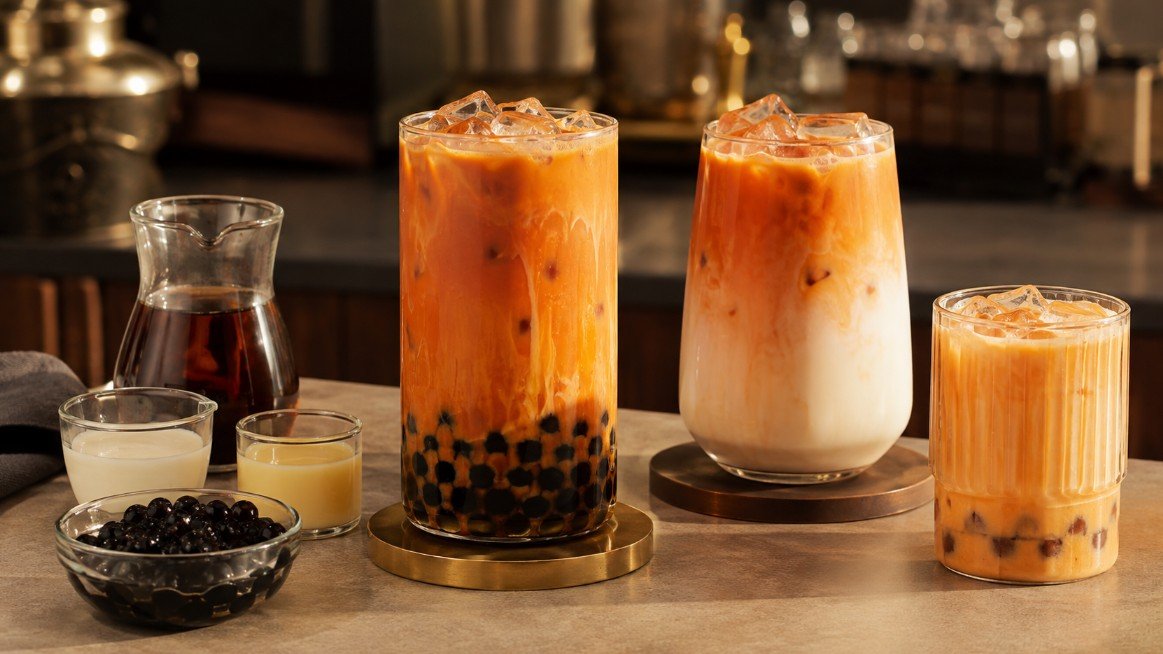
Thai tea boba is a bubble tea drink based on Thai-style iced tea and served with boba, usually chewy tapioca pearls. It is typically bold, creamy and sweet, with a strong tea base underneath the milk and sugar. Many commercial Thai tea blends also produce the warm orange color that makes the drink instantly recognizable.
The important distinction is that Thai tea is not simply ordinary milk tea dyed orange. The finished flavor comes from a particular combination of strong tea, sweetness, milk and an aromatic Thai-tea profile. Boba adds chew and often another layer of syrup sweetness, making the drink feel richer and more dessert-like than plain Thai iced tea.
Because recipes vary by shop, there is no single universal formula. Some Thai teas are more tea-forward, some are very creamy, some lean heavily on condensed-milk sweetness, and some use modern fresh-milk or alternative-milk variations. The best way to understand the style is to separate tea, aroma, creaminess, sweetness, color and topping instead of treating them as one thing.
Thai tea boba starts with Thai-style iced tea, then adds the bubble-tea topping experience
Thai tea existed as a drink style before tapioca pearls became part of modern bubble-tea menus. When a shop adds boba to Thai iced tea, the underlying flavor still comes from the Thai tea itself: a strongly brewed or concentrated tea base, a creamy milk component and noticeable sweetness.
Usually built around black tea or a prepared Thai tea blend.
Creates the rich, creamy profile associated with Thai iced tea.
Adds chew, syrup flavor and a more substantial finish.
That makes Thai tea boba a flavored tea style inside the wider boba category rather than a separate tea species. The tea underneath is often related to black tea, but the finished drink is defined by more than the leaf alone.
Expect bold tea, rich creaminess, strong sweetness and a warm aromatic profile
Thai tea boba is usually one of the fuller and sweeter drinks on a bubble-tea menu. The tea base gives it enough bitterness and structure to keep the cup from tasting like plain sweetened milk, while the creamy component rounds the stronger tea and gives the drink its dense, smooth body.
The base should remain noticeable beneath milk and sugar.
Milk softens the tea and gives the cup a fuller texture.
Depending on the blend, the drink can suggest vanilla, floral or warm-spice notes.
Tapioca adds another texture and can deepen the caramel-like direction.
The exact aromatic profile varies. One blend may taste more vanilla-like, another may feel more spicy or floral, and another may emphasize strong tea with very little obvious spice. It is better to think of Thai tea as a recognizable style with variation than as a recipe where every shop must use the same flavorings.
Thai tea is commonly built on a strong black-tea base, but commercial blends are not all identical
Black tea gives Thai tea the strength needed to work with milk, sugar and ice. That deeper base helps the finished drink retain tea character even when the creamy and sweet components are substantial.
However, “Thai tea” is not the name of one standardized black-tea cultivar. Commercial Thai tea blends can differ in tea origin, processing, added flavorings and color. One shop may prepare its tea from a packaged Thai tea mix, while another may use a house blend designed to imitate or reinterpret the style.
This is why it is misleading to say every Thai tea is made from exactly one black tea such as Assam or Ceylon. Those profiles can appear in recipes and blends, but the broader drink category is not limited to one universal leaf source.
For a tea-first guide where the black tea itself is the primary subject, see black tea boba.
The vivid orange color is not simply the natural color of black tea and milk
This is one of the most useful facts to know before judging Thai tea by appearance. Strong black tea naturally brews amber, copper, reddish brown or dark brown depending on the leaves and concentration. Adding milk makes those colors lighter, but it does not automatically produce the saturated orange associated with many restaurant and boba-shop Thai teas.
Strong black tea already has warm color before milk is added.
Milk shifts the brew toward lighter amber, tan or orange-brown tones.
Many prepared Thai tea blends use added coloring to produce the familiar brighter orange appearance.
That means an intensely orange cup is not proof that the tea is stronger, more authentic or higher quality. Color can be part of the expected visual style, but it tells you relatively little about freshness, balance or tea aroma.
A darker orange drink is not automatically more aromatic or more “Thai”
It is easy to treat the orange color as if it were the flavor itself because the appearance is so memorable. In practice, aroma, sweetness, tea concentration and milk treatment shape the taste much more directly.
Can come partly from the tea, milk and added coloring in the blend.
The actual sensory profile depends on ingredients and preparation.
A cup that looks slightly less orange can still taste excellent. Likewise, a dramatically colored drink can taste flat if the tea is weak or the sweetness overwhelms everything else.
Thai tea blends can suggest vanilla, floral or warm-spice notes without following one universal spice formula
Many people describe Thai tea as “spiced,” but that word can create the impression that every glass contains the same measured list of spices. In reality, commercial blends and restaurant recipes vary.
Some blends have a rounded aroma that reads as vanilla or dessert-like even before toppings are added.
Star-anise-like or other warm aromatic impressions can appear, but should not be treated as a required universal formula.
Some blends carry a perfumed edge that makes the drink feel more distinctive than standard black milk tea.
Aromatic additions work best when there is still enough brewed-tea structure underneath them.
The practical lesson is simple: if two Thai teas smell different, one is not automatically wrong. The style allows variation, especially once it is adapted to modern boba-shop menus.
Thai tea often uses a sweeter, denser milk treatment than everyday milk tea
Thai iced tea is strongly associated with rich milk ingredients. Sweetened condensed milk and evaporated milk are widely used in modern preparations because they contribute both creaminess and sweetness while standing up to concentrated tea and a large amount of ice.
Can make the drink feel especially rich and dessert-like.
Often associated with the lighter creamy look at the top of Thai iced tea.
Some boba shops reinterpret Thai tea with fresh milk or other milk systems.
This is another reason Thai tea boba should not be treated as identical to a generic black milk tea. The milk strategy can be part of the style rather than a neutral addition.
For the broader family of tea combined with milk and pearls, see milk tea with boba.
Tapioca makes an already rich drink chewier, sweeter and more substantial
Thai iced tea without boba is already a complete drink. Adding tapioca does not define the Thai-tea flavor; it changes the drinking experience by adding texture and another source of sweetness.
Each sip becomes a drink-and-chew experience rather than a smooth iced tea.
Sweetened pearls can intensify an already sweet Thai tea.
The topping turns the drink into a more filling café treat.
Black tapioca works naturally because its darker caramel or molasses-like syrup direction fits the bold tea and creamy sweetness. But there is a point where the combination becomes too heavy: heavily sweetened pearls plus very sweet Thai tea can make the tea almost disappear.
For the topping itself, see what boba pearls are.
Thai tea boba is usually sweeter, more aromatic and more visually distinctive than classic black milk tea
Often strongly sweet, orange-toned and built around a recognizable Thai-tea flavor system.
Usually puts more attention on the black tea itself, with milk or sweetness adjusted around it.
Can use black, oolong, jasmine or another tea and does not have Thai tea’s specific flavor identity.
The overlap is real: Thai tea commonly uses black tea and milk. The difference is that the Thai-tea style adds its own recognizable aromatic, sweetness and visual conventions rather than functioning as a generic black milk tea.
Boba is an addition to the Thai tea, not the reason the drink is Thai tea
The traditional flavor direction stands on its own without a chewy topping.
The bubble-tea format adds pearls or another topping to the existing drink style.
This distinction is useful because you can remove the pearls and still have Thai tea. Remove the Thai-tea base and keep the pearls, and you simply have another boba drink.
Modern boba shops can reinterpret Thai tea without reproducing the same milk system
A fresh-milk Thai tea may feel cleaner and less dense than a version built around condensed milk. Oat, soy or coconut-based alternatives can change the body and aroma again.
Coconut can be especially noticeable because its own flavor is strong enough to become part of the drink rather than functioning as a neutral substitute. That can be delicious, but it should be understood as a variation rather than proof of one universal traditional Thai-tea formula.
If dairy ingredients or substitutions matter for dietary reasons, confirm the actual shop recipe. Thai tea can contain multiple milk-based components even when the menu only displays one short drink name. See our boba dietary guide for the broader ingredient questions.
Thai tea is often a sweeter boba style because sweetness can come from several components at once
Can add significant sweetness before any extra syrup is considered.
May control part of the sweetness, depending on preparation.
Pearls can remain sweet even when the liquid setting is reduced.
This is why “50% sweetness” does not necessarily mean the finished Thai tea contains half the sweetness of the standard recipe. If the tea concentrate, condensed milk or pearls are prepared in advance, only some sources may be adjustable at the register.
If you prefer to taste the tea more clearly, reduced sweetness can help when the shop allows it. But the goal should be balance, not simply making the number as low as possible.
Usually yes, because the drink commonly contains black tea
If a Thai tea is made from a real black-tea or tea-based blend, it contributes caffeine. The amount in the finished cup varies with tea concentration, brewing, serving size and dilution from milk and ice.
The tapioca pearls are not the main source of caffeine. A Thai tea without boba can still be caffeinated, while adding the same pearls to a caffeine-free milk drink does not suddenly make the topping a tea ingredient.
For the broader relationship between tea, sugar, calories and serving size, see our boba nutrition guide.
Thai tea is naturally associated with a strong brew designed to stay flavorful over ice
Thai iced tea is normally served cold, which shapes the way the drink is built. A stronger tea base helps the flavor survive milk and melting ice, while the creamy sweetness gives the cold drink enough body to avoid tasting thin.
Cold, rich and refreshing, with dilution gradually softening the tea and sweetness.
Warm Thai-style tea can exist, though the familiar Thai tea boba experience is usually centered on the iced version.
A quality iced cup should still taste like tea in the final third of the drink. If it becomes pale sugary water as the ice melts, the starting concentration was not strong enough for the format.
Classic tapioca fits naturally, but lighter toppings can keep the drink from becoming too heavy
Chew and dark syrup fit the bold, creamy tea particularly well.
Useful when you want less caramel-like weight from the topping.
Can work with Thai tea, but makes an already rich drink substantially heavier.
Can add texture without duplicating the same syrup profile as black tapioca.
On a first order, one topping is usually enough to understand the drink. Thai tea already has a strong flavor system, so stacking several rich toppings can make it difficult to taste the tea itself.
For the broader menu of topping textures, see our boba toppings guide.
Keep the first order simple enough to taste the Thai tea itself
Start with Thai tea
Choose the shop’s standard Thai tea rather than immediately adding extra flavors that can hide the base.
Check whether boba is included
Some menu items include tapioca by default; others treat every topping as an add-on.
Adjust sweetness if the recipe allows it
Remember that condensed milk or prepared pearls may keep some sweetness even when the drink setting is reduced.
Choose ice
Less ice changes dilution as well as temperature, so the flavor may feel denser than the shop’s standard build.
Change the milk only when you need or want to
A milk substitution can noticeably alter body and aroma, especially with oat or coconut-based options.
Choose your Thai tea boba by how rich you want the drink to feel
The easiest way to experience the expected combination of bold tea, creamy sweetness and chew.
Keeps the Thai-tea profile while reducing some of the dark syrup weight.
A good direction if you want the tea to remain clearer beneath the milk.
Useful when needed, but expect the substitute to change the flavor rather than acting invisibly.
If you are comparing Thai tea with the rest of a large bubble-tea menu, use Choose Your Boba for a broader decision path.
The name alone cannot answer that question because the finished recipe matters more
Thai tea boba can contain a strong tea base, but the final nutrition also depends on milk, condensed milk, added sugar, serving size and the amount of tapioca. A smaller, less-sweet Thai tea and a large heavily sweetened version with extra pearls are nutritionally very different drinks.
The orange color also has nothing useful to tell you about calories or sugar. If nutrition matters, evaluate the complete cup rather than assuming that a tea-based drink is automatically light.
The tea, milk, sweetness and aroma should stay distinct enough to create balance
The base should not disappear completely beneath milk and sugar.
Vanilla-like, floral or warm aromatic notes should feel integrated rather than chemical or overpowering.
Creaminess should support the tea instead of turning the drink into generic sweet milk.
Thai tea can be sweet without becoming mouth-coating to the point that tea flavor disappears.
Tapioca should be cooked through and pleasant to chew rather than hard or mushy.
A brighter orange drink is not automatically fresher, stronger or better made.
Thai tea is supposed to be distinctive, but intensity alone is not quality. The most successful cup still lets you identify the tea beneath the creamy sweetness.
For a wider tasting framework, see our boba quality guide.
Think of the drink as five flavor layers — with orange color sitting outside the flavor itself
Questions about Thai tea boba
What is Thai tea boba?
Thai tea boba is Thai-style iced tea served with boba, usually tapioca pearls. The drink typically combines strong tea, milk or a creamy milk component, noticeable sweetness and a distinctive aromatic profile.
What does Thai tea boba taste like?
It is usually bold, creamy, sweet and aromatic. Depending on the blend, you may notice vanilla-like, floral or warm-spice impressions, while tapioca adds chew and often extra syrup sweetness.
Is Thai tea boba made with black tea?
Thai tea is commonly built around black tea or a black-tea-based commercial blend, but there is no single universal leaf source used by every shop or producer.
Why is Thai tea boba orange?
Strong tea and milk naturally create warm amber and orange-brown tones, but many commercial Thai tea blends also use added coloring to produce the brighter orange appearance associated with the drink.
Does Thai tea always contain food coloring?
No. Recipes and blends vary. Many commercial mixes use coloring, but a Thai-style tea can be prepared without producing the same vivid orange appearance.
Is Thai tea boba the same as milk tea?
It is a milk-tea style, but it has a more specific flavor identity. Thai tea is usually sweeter, more aromatic and often more visually distinctive than generic black milk tea.
Does Thai tea boba have caffeine?
Usually yes, because Thai tea commonly contains real tea, often black tea. The amount varies with tea concentration, brewing, serving size and dilution. Tapioca pearls are not the main caffeine source.
Is Thai tea boba very sweet?
It often is one of the sweeter boba styles because sweetness can come from condensed milk, added sugar or syrup and sweetened pearls. Some shops allow partial adjustment, but not every sweet component may be customizable.
What boba goes best with Thai tea?
Classic black tapioca is the most familiar pairing because its chew and dark syrup complement the bold creamy tea. Crystal boba or jelly can work when you want a lighter topping experience.
What should I order if I have never tried Thai tea boba?
Start with Thai tea and one portion of black tapioca at the shop’s standard or moderately reduced sweetness. That gives you the clearest introduction to the combination of strong tea, creaminess, sweetness and chew.
THAI TEA BOBA IN ONE IDEA
Thai tea boba is more than orange milk tea. The real structure is bold tea, a distinctive aromatic profile, rich milk, noticeable sweetness and chewy boba — while the orange color remains a visual feature rather than the flavor itself.