
Green Tea Boba: Taste, Milk, Fruit, Toppings and How to Order
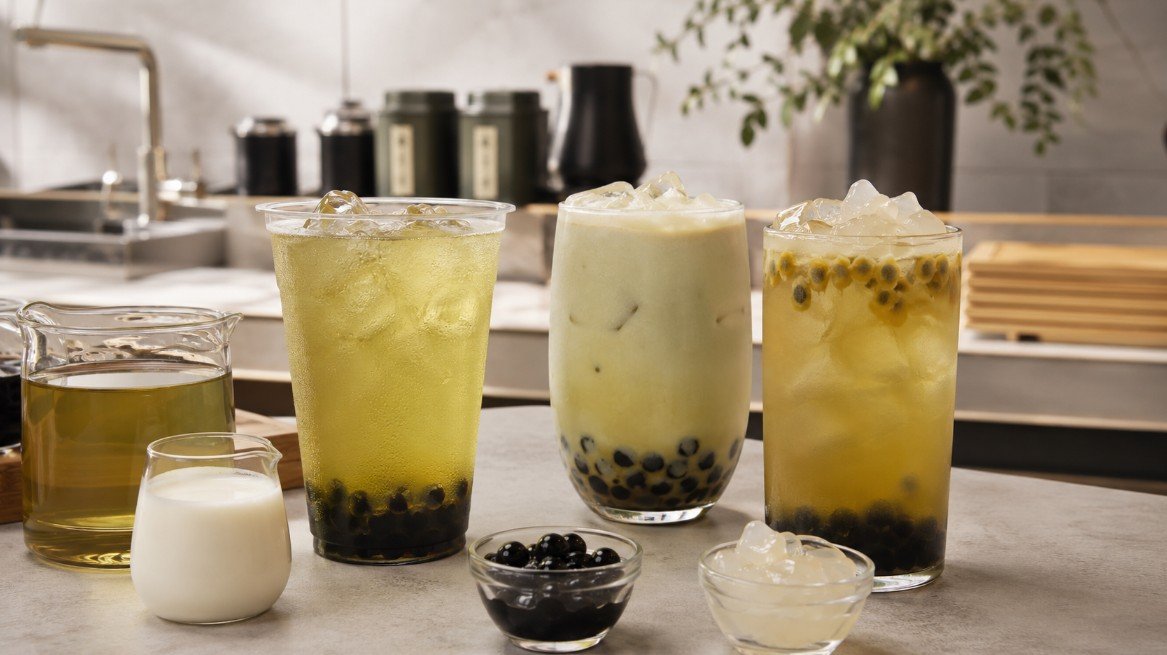
Green tea boba is a bubble tea drink built around green tea and served with boba or another topping. It usually tastes fresher, lighter and more vegetal than black tea boba, and it can be served clear, with milk, with fruit, or with a combination of those elements.
The defining idea is not a particular topping or color. It is the tea base. Brewed green tea supplies the aroma, gentle bitterness, freshness and structure, while milk, fruit, sweetness and toppings change how that base feels in the finished cup.
Because green tea is often more delicate than black tea, balance matters. Too much syrup can erase the tea, too much milk can flatten it, and poor brewing can push it toward rough bitterness. A well-made version keeps the tea recognizable while using toppings and flavor additions to make the drink more refreshing, creamy or playful.
Green tea boba starts with brewed green tea, then branches into clear, creamy or fruit-forward drinks
The phrase “green tea boba” is broader than one recipe. At one shop it may mean iced green tea with tapioca pearls. At another it may refer to green milk tea with boba, and elsewhere it may appear as a fruit green tea with aloe, jelly or popping boba.
Fresh, vegetal and lighter in body than many black teas.
The liquid direction changes without replacing the tea identity.
Tapioca, aloe, jelly and crystal-style toppings create different mouthfeel.
This makes green tea boba a tea-base category rather than a synonym for green milk tea. Milk is optional, fruit is optional, and classic black tapioca is only one topping choice.
For the full map of tea families used in bubble tea, see our guide to tea.
Expect freshness, gentle vegetal notes and a lighter structure than black tea boba
Green tea can taste clean, leafy, grassy, sweet, nutty or gently bitter depending on the tea and how it is brewed. In boba, those qualities are usually softened by ice, sweetener, milk or fruit, but they should not disappear completely.
Iced green tea keeps the tea itself most obvious.
Milk reduces sharpness and adds body.
Fruit can make the cup feel juicier and more refreshing.
Tapioca and syrup can pull the drink toward a more dessert-like profile.
Green tea is generally less malty than black tea and less defined by floral perfume than jasmine tea. That gives it a useful middle position: noticeable enough to support a drink, but light enough to let fruit and delicate toppings stay vivid.
If you are comparing the taste of green tea boba with other drink families, see what boba tastes like.
Green tea can become harsh more easily when extraction is pushed too far
Green tea is not simply a weaker black tea. Its flavor chemistry and processing are different, and that changes how the brewed tea behaves in a cold or milk-based drink.
When green tea is brewed too aggressively, bitterness and astringency can become more obvious. Adding more sugar can hide some of that roughness, but it does not truly restore a clean tea profile. The result may taste simultaneously bitter and overly sweet.
Milk, fruit or ice can erase a base that was too weak from the start.
Aroma and gentle bitterness remain visible after the drink is assembled.
Too much extraction can make the finish rough and harder to balance.
This does not mean every green tea should be brewed identically. Different leaf styles need different treatment. For the drinker, the useful quality cue is simpler: the finished green tea should taste fresh and intentional rather than dull, stale or aggressively bitter.
Green tea sits between the depth of black tea and the perfume of jasmine
Good for clear drinks, fruit combinations and lighter milk tea.
Handles milk and brown sugar with more weight and structure.
Often built on a tea base but defined by jasmine aroma.
Compared with black tea boba, green tea usually feels lighter and less malty. That can make it especially useful when the goal is refreshment rather than richness.
Jasmine requires a different distinction. Jasmine tea is a scented tea style, often made using green tea as a base, but the jasmine aroma becomes a defining part of the experience. So a jasmine boba drink should not automatically be treated as generic green tea boba.
“Green tea” on a menu can hide several different leaf styles and house blends
Taiwan produces green tea alongside oolong, black tea and other tea styles. Some green teas are delicate and sweet, while others are more assertively vegetal. Shops may also use blends selected specifically for iced beverages, fruit tea or milk tea.
Clean, fresh and adaptable
Taiwanese green tea can provide a crisp tea foundation without the heavier malt character associated with black tea.
Delicate and aromatic
Leaf styles in this family can feel lighter and more nuanced, which makes careful balance especially important when fruit or milk is added.
Built for cold drinks
Some shops use blends chosen for consistency, aroma and enough strength to survive ice, sweetener and toppings.
The exact tea matters more than the color of the liquid. A pale cup can still have excellent aroma and structure, while a darker-looking one can taste dull if the tea was poorly prepared.
Green tea boba can stay clear, become creamy, or turn into a fruit-led drink
This is the most tea-forward path. Ice makes it refreshing, while tapioca or a lighter topping adds texture without changing the liquid into milk tea.
Milk softens bitterness and vegetal notes, creating a lighter milk-tea profile than many black-tea versions.
Fruit brings acidity, aroma and sweetness while green tea provides a clean background that keeps the drink from feeling like plain juice.
None of these directions is the “real” green tea boba. They simply emphasize different strengths of the same tea base.
Milk softens green tea, but too much can erase the fresh character that makes it distinctive
Green milk tea can be a good choice for someone who likes creamy drinks but finds black milk tea too deep or malty. Milk adds body, rounds bitterness and makes the cup feel softer.
The tradeoff is that green tea usually has less weight than a strong black tea. If the milk ratio is too high or the tea is too weak, the result can become pale, sweet and generic rather than recognizably tea-based.
Less milk keeps vegetal and aromatic notes clearer.
More body, but a greater risk of muting delicate tea character.
For the wider family of tea-and-milk drinks, see milk tea with boba.
Brewed green tea and matcha create different flavor and texture experiences
This distinction matters because both drinks may look green. Brewed green tea is an infusion: the leaves flavor the water and are then removed. Matcha is powdered tea whisked or mixed into the drink, so the tea particles themselves remain in suspension.
That gives matcha a denser texture, stronger vegetal intensity and a more opaque green appearance. A pale transparent green tea with boba should not be expected to taste like matcha, and a creamy matcha drink should not be used as the reference point for every green tea boba.
Green tea gives fruit a clean background without disappearing into plain sweetness
Peach, passion fruit, citrus, mango and lychee-style flavors can all work with green tea because the tea is generally lighter than black tea. Fruit remains vivid while the tea adds a subtle bitter and aromatic structure underneath.
Works well when the tea keeps the sweetness from feeling syrupy.
Pairs naturally with a lighter tea base.
Acidity can make green tea feel especially crisp.
Needs enough tea structure so the drink does not become fruit syrup with ice.
The broader combinations belong to our fruit tea with boba guide, where fruit is the main reader intent rather than the green tea base itself.
Dark tapioca creates a stronger contrast than lighter jellies or aloe
Black pearls can bring syrup sweetness and make a delicate green tea feel more substantial.
A lighter texture that often fits fruit green tea especially well.
Can add texture without the caramel-like character of syruped tapioca.
Useful when the goal is a lighter or more playful fruit-style drink.
Tapioca is still a natural pairing, but it is not always the most delicate one. If you want to understand how toppings differ, see the boba toppings guide.
For the composition of classic chewy pearls themselves, see what boba pearls are.
Sugar should support the green tea, not be used to cover poor brewing
A little sweetness can soften green tea’s bitter and vegetal edges and make fruit flavors feel rounder. But adding more syrup to a badly brewed tea does not create balance; it simply puts strong sweetness on top of harsh tea.
Best when the tea itself is fresh and clean.
Useful for fruit or milk styles where several components need room.
Fruit syrup or sweet toppings can become more noticeable than the tea.
Also remember that the topping can carry sweetness separately. Syruped tapioca, popping boba or sweet jelly may affect the cup even when the liquid is ordered at a lower sweetness level.
Yes, if the drink is made with real green tea
Green tea naturally contains caffeine. The amount in a finished boba drink varies with the leaf, quantity used, brewing conditions, serving size and dilution from ice, milk or fruit ingredients.
The topping is usually not the source of caffeine. A cup can therefore contain the same tapioca pearls but have a very different caffeine profile depending on whether the liquid base is green tea, fresh milk or another beverage.
For calories, sugar and caffeine in the broader category, see our boba nutrition guide.
The tea base alone does not determine the nutrition of the finished drink
Green tea can be part of a relatively simple iced drink, but it can also be combined with milk, sweetened fruit preparations, syruped tapioca and large serving sizes. Those choices can change the nutritional profile much more than the words “green tea” suggest.
So green tea boba should not automatically be treated as a low-sugar or low-calorie option. Compare the actual drink components, portion and toppings instead of judging by the tea color.
Green tea boba usually shines cold, but temperature changes aroma and bitterness
Cold service suits clear and fruit green tea especially well, though melting ice gradually changes strength and sweetness.
Warm service can make tea aroma more noticeable, but not every topping or fruit combination is offered this way.
Cold is not automatically better, but it is a natural fit for the fresh, bright profile that makes green tea distinct from richer boba styles.
Choose the drink direction first, then decide how much sweetness and texture you want
Choose clear, milk or fruit
Clear tea keeps the base most obvious, milk makes it softer, and fruit creates the brightest flavor direction.
Choose sweetness
If you want to taste the tea, avoid automatically pushing sweetness to the highest level.
Choose ice or temperature
Ice affects both refreshment and dilution, especially in a lighter tea base.
Choose the topping
Tapioca makes the drink heavier and chewier; aloe or jelly can keep it lighter.
Decide how tea-forward you want it
Milk, fruit syrup and multiple toppings can all reduce how obvious the green tea tastes.
Start with the flavor family you already enjoy
Best if you want to understand the tea itself before adding creaminess.
A softer introduction for someone who already likes milk tea.
Bright, refreshing and less dessert-like than many milk-based drinks.
Combines a lighter tea profile with the familiar boba chew.
If you are deciding across the entire menu rather than only green tea, use Choose Your Boba.
The tea should feel fresh and balanced, not stale, harsh or buried under syrup
The base should still taste like green tea after the drink is assembled.
Gentle bitterness can add structure; harshness should not dominate.
In milk tea, creaminess should soften the tea rather than erase it.
A fruit version should retain both tea and fruit identity.
Tapioca, aloe or jelly should match the weight of the drink rather than overwhelm it.
The drink should not collapse into watery sweetness halfway through.
A good green tea boba does not need to be intensely green, extremely bitter or aggressively sweet. Balance is a better quality signal than visual intensity.
For a broader tasting framework, see the boba quality guide.
One tea base can move from fresh to fruity, creamy or richer
Questions about green tea boba
What is green tea boba?
Green tea boba is a bubble tea drink made with green tea and a topping such as tapioca pearls, aloe, jelly or another boba-style addition. It can be served clear, with milk or with fruit.
What does green tea boba taste like?
It usually tastes fresher, lighter and more vegetal than black tea boba. Depending on the tea and recipe, it can also taste grassy, gently bitter, sweet, fruity or creamy.
Does green tea boba have milk?
Not necessarily. Green tea boba can be a clear iced tea with a topping. Green milk tea with boba is only one variation.
Is green tea boba the same as jasmine boba?
No. Jasmine tea is defined by its floral jasmine aroma, even when green tea is used as the underlying tea base. Generic green tea boba is not automatically jasmine-flavored.
Is green tea boba the same as matcha boba?
No. Brewed green tea is an infusion from tea leaves, while matcha uses powdered tea that remains in the drink. Matcha is usually more opaque, intense and texturally dense.
What toppings go well with green tea?
Tapioca pearls, aloe, jelly, crystal-style boba and some fruit toppings can all work. Tapioca makes the drink heavier and chewier, while aloe and jelly can keep the profile lighter.
Does green tea boba have caffeine?
Yes, if it is made with real green tea. The amount varies with the tea, brewing conditions, serving size and dilution. The topping is usually not the main caffeine source.
Is green tea boba bitter?
It can have gentle bitterness or vegetal astringency, but it should not automatically taste harsh. Strong bitterness may come from the tea itself or from brewing that pushed extraction too far.
Is green tea boba healthier than milk tea?
Not automatically. A clear lightly sweetened green tea can differ greatly from a large fruit or milk version with syrup and multiple toppings. The full recipe and serving size matter more than the tea label alone.
What green tea boba is best for beginners?
Try iced green tea with a light topping if you want a refreshing tea-forward drink, green milk tea with tapioca if you prefer creaminess, or peach or passion fruit green tea if you prefer fruit flavors.
GREEN TEA BOBA IN ONE IDEA
Green tea boba works best when the tea stays fresh and recognizable. Keep it clear for the lightest profile, add fruit for brightness, add milk for creaminess, and choose a topping that supports rather than buries the tea.